
Tajira ISP Billing System in Kenya
Tajira is an ISP billing system in Kenya for managing subscribers, packages and billing. Build and manage MikroTik-based ISP, WISP and hotspot networks.
Tajira ISP Billing System in Kenya
MikroTik Billing System for ISPs in Kenya - Tajira
ISP Billing System Kenya | MikroTik Billing System – Tajira
Running an Internet Service Provider requires more than routers, switches and access points. An ISP also needs a reliable way to manage customers, subscriptions, payments, service plans and network access.
Tajira is an ISP billing system designed to help internet providers in Kenya manage these important day-to-day operations from one platform.
For ISPs using MikroTik equipment, Tajira can form part of a broader network-management and billing setup by helping operators organize subscribers, plans, billing and payment workflows alongside their MikroTik infrastructure.
This makes Tajira particularly relevant to Kenyan ISPs, WISPs, apartment internet providers, hotspot operators and network entrepreneurs who want to automate more of their customer-management processes.
What Is an ISP Billing System?
An ISP billing system is software used to manage customers who subscribe to internet services.
Instead of manually tracking every customer using spreadsheets, notebooks or separate payment records, an ISP billing platform can help centralize information such as:
customer accounts
internet packages
subscription periods
invoices
payments
account status
service renewals
customer records
network-plan information
For a growing ISP, this becomes increasingly important as the number of subscribers increases.
A provider with 20 customers may be able to manage subscriptions manually. Managing hundreds or thousands of users manually is much more difficult and increases the possibility of missed payments, incorrect renewals and administrative errors.
Tajira ISP Billing System
Tajira is designed to help Kenyan internet providers organize and automate ISP billing processes.
The objective is to give an ISP a structured system for managing subscribers rather than depending entirely on manual administration.
A billing platform can become particularly useful for businesses providing:
fibre internet
wireless internet
apartment Wi-Fi
estate internet
hotspot services
WISP services
community internet
business internet connections
As an ISP grows, the billing platform becomes an important part of the overall infrastructure alongside the routers, switches, access points and fibre equipment used to deliver the actual internet service.
MikroTik Billing System for ISPs in Kenya
MikroTik equipment is widely used by ISPs because RouterOS provides networking features such as PPPoE, hotspot management, queues, VLANs, routing, firewall configuration and bandwidth control.
A MikroTik billing system complements this infrastructure by helping the ISP manage the commercial side of subscriber services.
The typical environment looks like this:
Internet connection
→ MikroTik router
→ distribution network
→ customers
The billing system then helps manage the subscribers connected to that network.
This can allow an ISP to combine powerful MikroTik networking equipment with organized customer billing and subscription management.
Businesses looking for the hardware side of such a deployment can explore MikroTik products in Kenya.
Why MikroTik Is Popular With ISPs
MikroTik has become a common choice for ISP deployments because its routers can support a wide range of network-management functions.
Depending on the hardware and configuration, MikroTik networks may support:
PPPoE subscriber authentication
hotspot systems
bandwidth queues
VLAN segmentation
firewall policies
multiple WAN connections
VPN services
routing
network monitoring
traffic management
These capabilities make MikroTik suitable for both small internet businesses and larger ISP networks.
You can browse MikroTik Kenya for routers and networking products suited to different ISP deployments.
How Tajira and MikroTik Can Work Together
An ISP generally needs two major systems:
The network infrastructure that delivers internet connectivity.
The business platform that manages customers and payments.
MikroTik can handle much of the networking side, while Tajira can help the ISP organize the billing and customer-management side.
Together, the overall workflow can be structured around:
Customer registration
A new subscriber is added to the ISP's customer records.
Package selection
The customer is assigned an internet package according to speed, price and billing period.
Network provisioning
The customer's connection is configured within the ISP network.
Billing
The system tracks the customer's subscription and payment obligations.
Renewal
When the billing period ends, the subscription can be renewed according to the provider's workflow.
This reduces the administrative burden associated with operating an expanding internet business.
Tajira for PPPoE Internet Providers
PPPoE is commonly used by ISPs to authenticate individual internet subscribers.
MikroTik RouterOS supports PPPoE functionality, making MikroTik routers suitable for this type of ISP deployment.
When combined with a suitable billing system, the ISP can create a more organized workflow around subscribers, packages and payments.
A typical PPPoE environment may include:
customer username
authentication information
internet package
assigned bandwidth
subscription period
payment status
This approach is particularly useful for fibre and wireless ISPs managing many individual subscribers.
Tajira for Hotspot Businesses
Tajira can also be relevant to businesses operating hotspot-style internet services.
These may include networks serving:
apartments
hostels
campuses
cafés
estates
shopping centres
public Wi-Fi locations
MikroTik routers are commonly used for hotspot networking because RouterOS provides hotspot and user-management capabilities.
For small and medium deployments, routers such as the MikroTik RB951Ui-2HnD may be considered depending on network requirements.
Larger hotspot deployments may need more powerful MikroTik hardware.
Choosing a MikroTik Router for an ISP Billing System
A billing system cannot compensate for an undersized router.
The MikroTik router should be selected according to:
number of subscribers
internet bandwidth
expected simultaneous users
firewall configuration
queues
PPPoE sessions
VPN requirements
number of network interfaces
future subscriber growth
Different MikroTik models serve different levels of deployment.
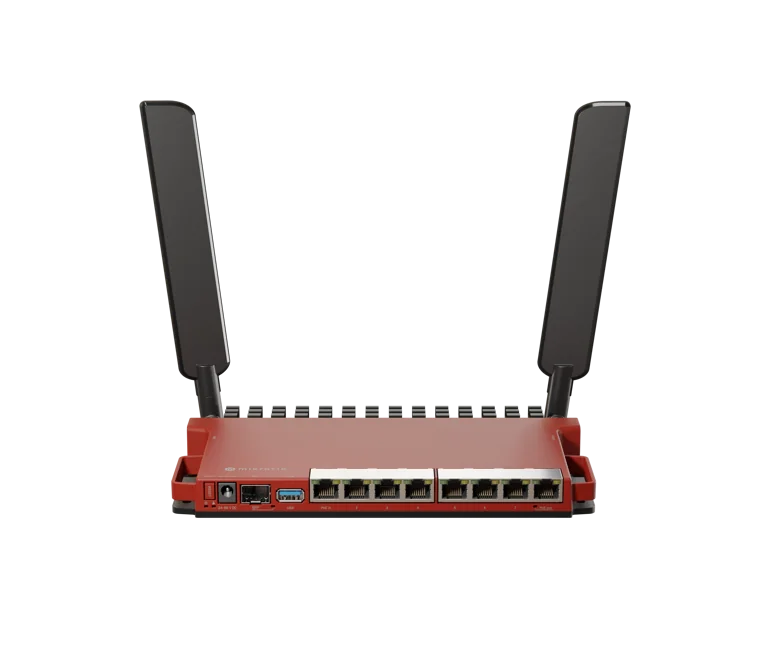
MikroTik L009UiGS-2HaxD-IN
The MikroTik L009UiGS-2HaxD-IN can be considered for smaller professional networks that need both wired connectivity and integrated wireless capability.
It may suit smaller businesses, network technicians and developing internet deployments depending on expected workload.
MikroTik L009UiGS-RM
The MikroTik L009UiGS-RM provides a rackmount-oriented option for structured wired network installations.
It can be useful for businesses and networking environments where equipment is installed inside a cabinet or rack.
MikroTik RB4011iGS+RM
For more demanding deployments, the MikroTik RB4011iGS+RM provides greater routing capability and multiple Gigabit interfaces together with SFP+ connectivity.
It can be considered by ISPs, businesses and professional installers managing larger networks.
Customers comparing available models can also review MikroTik router prices in Kenya.
Who Can Use Tajira?
Tajira can be useful for different types of internet businesses in Kenya.
Small ISPs
New ISPs need a way to establish proper subscriber and billing processes from the beginning instead of building everything around manual records.
Growing WISPs
Wireless internet providers may start with relatively few customers but can quickly grow across estates, towns and neighbourhoods.
A billing platform helps keep subscriber management organized as the business expands.
Apartment Internet Providers
Property owners and internet entrepreneurs increasingly provide shared internet services within apartment blocks and residential estates.
A structured billing system can make it easier to manage multiple tenants and subscription packages.
Fibre ISPs
Fibre operators may manage subscribers across different locations and package levels.
Combining suitable MikroTik networking equipment with an ISP billing platform can create a more scalable operational setup.
Hotspot Operators
Businesses selling time-based or subscription-based internet access can benefit from better organization of users, payments and packages.
Why an ISP Needs Billing Automation
Manual billing becomes increasingly difficult as the subscriber base grows.
Without a dedicated billing system, an ISP may need to manually determine:
who has paid
who has not paid
when subscriptions expire
which package each customer uses
how much each customer owes
when accounts should be renewed
which customers need support
This becomes a substantial administrative workload.
An ISP billing platform helps centralize these processes and reduces dependence on scattered spreadsheets and manual records.
Better Customer Management
A billing system is not only about collecting payments.
It also creates a structured customer database.
An ISP can maintain information about subscribers and their services in one environment rather than trying to reconstruct customer histories from separate records.
This becomes increasingly valuable when customer numbers rise.
Managing Different Internet Packages
Most ISPs offer more than one package.
For example, an ISP may offer different plans based on:
speed
billing period
location
customer type
service level
A billing platform helps the provider organize these different subscriptions and associate customers with the correct service plans.
Supporting ISP Growth in Kenya
Kenya has a growing demand for affordable and reliable internet connectivity in residential areas, businesses, schools and smaller towns.
This creates opportunities for local ISPs and WISPs.
However, successful growth requires more than simply connecting additional customers.
An ISP needs scalable systems for:
networking
billing
customer management
payments
subscriber support
service monitoring
Using platforms such as Tajira alongside professional networking hardware can help an internet provider build more organized operations.
MikroTik Equipment for a Growing ISP
As an ISP grows, its networking hardware may also need to be upgraded.
Entry-level MikroTik equipment may be sufficient during the early stages, while larger networks may eventually require models such as:
RB4011
RB5009
CCR2004
CCR2116
The correct choice depends on actual network requirements.
Customers looking for available equipment can explore additional MikroTik products in Kenya.
Building an ISP in Kenya
Someone starting an ISP generally needs to consider several components.
These include:
upstream internet connectivity
routers
switches
fibre or wireless distribution
customer premises equipment
power backup
subscriber authentication
billing
payment collection
technical support
The MikroTik router is therefore only one part of the overall ISP system.
Tajira addresses the business-management and billing side, while products available through MikroTik Kenya can provide important parts of the networking infrastructure.
Why Use a Dedicated MikroTik Billing System?
A dedicated billing approach can make an ISP easier to manage as customer numbers grow.
Instead of having one process for payments, another spreadsheet for customers and separate records for packages, a centralized platform can create a more coherent operational workflow.
The main objective is scalability.
A system that works for 20 customers should ideally remain manageable as the network grows to 100, 500 or more subscribers.
Tajira for Kenyan ISP Entrepreneurs
Tajira is particularly relevant to entrepreneurs building internet businesses in Kenya.
The ISP industry has opportunities in areas such as:
apartment internet
rural connectivity
estate Wi-Fi
business internet
community networks
fibre distribution
wireless broadband
A well-organized billing system gives the business owner more visibility into subscriber operations while reducing repetitive administrative work.
Frequently Asked Questions
What is Tajira?
Tajira is an ISP billing platform for managing internet subscribers, service packages and billing workflows in Kenya.
What is a MikroTik billing system?
A MikroTik billing system is a billing and subscriber-management platform used alongside MikroTik networking infrastructure to help an ISP manage customers, packages, payments and service access.
Can Tajira be used by an ISP in Kenya?
Tajira is intended for ISP and internet-service management use cases in Kenya, including operators managing residential, business, wireless or other subscription-based internet customers.
Does an ISP billing system replace a MikroTik router?
No. The MikroTik router manages the networking functions, while the billing platform manages business processes such as subscribers, packages and billing.
Which MikroTik router is suitable for an ISP?
The correct MikroTik router depends on subscriber numbers, bandwidth and network configuration. Smaller deployments may use models such as the L009 or RB4011, while larger ISP networks may require higher-performance hardware.
Can Tajira be useful for apartment internet providers?
Yes. Apartment and estate internet providers can benefit from structured customer, package and subscription management as the number of connected tenants increases.
Where can I buy MikroTik routers in Kenya?
You can explore MikroTik Kenya and browse available MikroTik products in Kenya.
Get Started With Tajira ISP Billing System
If you are building or expanding an ISP in Kenya, having the right billing system is just as important as selecting the right networking hardware.
Tajira provides a platform focused on helping internet providers manage the commercial side of their subscriber operations.
For the networking infrastructure, browse MikroTik Kenya or compare MikroTik router prices in Kenya to identify hardware suitable for your network.
Combining a structured ISP billing platform with correctly sized MikroTik networking equipment can provide a stronger foundation for building and scaling an internet service business in Kenya.