Who is this product best for?
- Home and small office routing
- Business internet edge routing
- ISP customer or branch deployments

Works with compatible MikroTik RouterOS networks and standard Ethernet networking equipment. Confirm port, power and mounting requirements before purchase.
Check the product label or manufacturer datasheet for exact input voltage, PoE support and power adapter requirements.

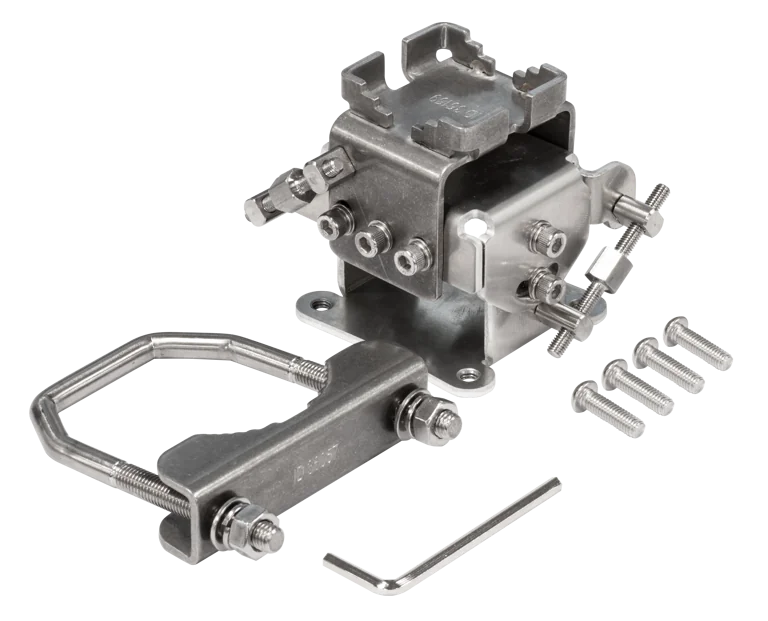
The MikroTik solidMOUNT is an advanced metal pole-mount adapter designed specifically for the MikroTik LHG series. Unlike the basic LHG Mount, solidMOUNT provides both horizontal and vertical adjustment, making it much better suited to installations where accurate antenna alignment is important.
A major benefit of solidMOUNT is its broad compatibility. MikroTik states that it supports all LHG-series products, including LHG XL models. This makes it useful across MikroTik's standard LHG, LHG XL, LTE and 60 GHz product families
The mount is built from metal, measures approximately 91 × 93 × 169 mm, and is designed for poles with diameters from 30 mm to 60 mm. The package also includes a U-bolt and mounting kit, providing the main mechanical components required for installation.
MikroTik currently lists solidMOUNT at a suggested manufacturer price of US$29 with an MTBF of approximately 100,000 hours at 25°C. A current Kenyan retailer listing shows a price of approximately KSh 2,900, though buyers should confirm current stock and final pricing.
MikroTik solidMOUNT SpecificationsSpecificationDetailsProduct NameMikroTik solidMOUNTProduct CodesolidMOUNTProduct TypeAdvanced pole-mount adapterDesigned ForMikroTik LHG seriesLHG XL CompatibilityYesHorizontal AdjustmentYesVertical AdjustmentYesDimensions91 × 93 × 169 mmCompatible Pole Diameter30–60 mmConstructionMetalU-Bolt IncludedYesMounting Kit IncludedYesPower RequiredNoRouterOS RequiredNoSuggested Manufacturer PriceUS$29MTBFApprox. 100,000 hours at 25°CMikroTik's official brochure confirms the 91 × 93 × 169 mm dimensions, support for 30–60 mm poles, LHG compatibility, metal construction and included mounting hardware.
What Is MikroTik solidMOUNT?The solidMOUNT is a mechanical antenna bracket for mounting compatible MikroTik LHG devices onto poles and masts while allowing more accurate directional adjustment.
A typical setup is:
Pole or Mast → solidMOUNT → MikroTik LHG
Its biggest advantage compared with a basic fixed mount is that technicians can adjust the LHG antenna horizontally and vertically after it has been attached to the pole. (mikrotik.com)
This is particularly useful for directional wireless equipment where even relatively small positioning errors can affect the quality of a long-distance wireless link.
Key Features of MikroTik solidMOUNTMikroTik specifically states that solidMOUNT allows adjustment both vertically and horizontally. (mikrotik.com)
This gives installers much more control than a basic fixed pole bracket.
Horizontal adjustment can help point the LHG:
Left or right toward a WISP tower
Toward another building
Toward another point-to-point endpoint
Toward a cellular tower when using compatible LHG LTE equipment
Vertical adjustment is useful where the remote endpoint is significantly higher or lower than the installation site.
The solidMOUNT design includes adjustment hardware intended to make fine positioning easier. MikroTik's installation illustration shows separate horizontal and vertical precision adjustment screws.
This is especially useful for:
Long-distance wireless links
60 GHz connections
High-gain directional antennas
WISP customer installations
Links between buildings at different elevations
Final alignment should always be confirmed using signal measurements from the actual MikroTik LHG device.
MikroTik states that solidMOUNT supports all LHG-series products, including LHG XL. (mikrotik.com)
This is one of its main advantages over QMP-LHG, which is not intended for XL versions.
MikroTik solidMOUNT CompatibilityDevice / FamilyCompatibilityLHG 5YesLHG HP5YesLHG 2YesLHG 5 acYesLHG 5 axYesLHG XL 2YesLHG XL 5 acYesLHG XL 52 acYesLHG XL 5 axYesLHG LTE SeriesYesLHG LTE6 SeriesYesLHG LTE18 KitYesLHGG LTE6 KitRelated compatible familyLHG Lite60YesLHG 60GYesWireless Wire DishListed as related LHG productSXT / SXTsqUse an appropriate SXT mounting solutionOmniTIKNot an LHG-family productMikroTik's current solidMOUNT page lists standard LHG, LHG XL, LTE and 60 GHz products among its related devices. A current LHG LTE18 product page also lists solidMOUNT among its related accessories. (mikrotik.com)
Unlike QMP-LHG, solidMOUNT can be used with LHG XL models.
That makes it particularly useful with physically larger directional MikroTik antennas where more robust and precise mounting hardware is desirable. (mikrotik.com)
The solidMOUNT is manufactured from metal. (mikrotik.com)
Its construction is intended for professional outdoor pole installations where mechanical strength and reliable positioning are important.
This makes it particularly suitable for:
Rooftop installations
Telecommunications poles
WISP towers
Rural wireless deployments
Outdoor CCTV networks
MikroTik specifies compatible pole dimensions of:
Ø 30–60 mm.
Before ordering, installers should therefore check the diameter of the mast or mounting pole.
If the pole is significantly outside this range, a different structural adapter may be required.
The solidMOUNT measures approximately:
91 × 93 × 169 mm.
Despite being designed for the wider LHG family, including XL equipment, the bracket remains compact enough for typical rooftop and mast installations.
The package includes a U-bolt, which is used to clamp the bracket around the mounting pole. (mikrotik.com)
This provides a straightforward pole-mounting arrangement without requiring the user to fabricate a custom attachment.
MikroTik also includes a mounting kit with the solidMOUNT. (mikrotik.com)
The official product image shows the bracket, U-bolt, mounting screws and adjustment hardware supplied as part of the assembly.
solidMOUNT is entirely mechanical.
It needs no:
AC power
DC power
PoE
Battery
Power supply
The mounted LHG device has its own independent power requirements.
The solidMOUNT has:
No CPU
No Ethernet port
No Wi-Fi radio
No LTE modem
No RouterOS
No IP address
No firmware
It only provides mechanical mounting and alignment.
Common Uses of MikroTik solidMOUNT in KenyasolidMOUNT is especially useful for WISPs installing long-distance LHG links. Accurate horizontal and vertical adjustment can help technicians align directional customer radios toward an access point or tower.
It is also suitable for building-to-building wireless links, where one building may be higher than another. The vertical adjustment helps compensate for differences in elevation while the horizontal adjustment helps establish the correct direction.
For LHG LTE installations, the mount can help orient a compatible outdoor LTE antenna toward the desired cellular base station. MikroTik's current LHG LTE18 product documentation lists solidMOUNT as an associated accessory. (mikrotik.com)
solidMOUNT is also relevant to 60 GHz installations using LHG-family equipment, where accurate antenna alignment can be particularly important.
MikroTik solidMOUNT Price in KenyaMikroTik currently lists solidMOUNT at an official suggested price of US$29. (mikrotik.com)
A current Kenyan retailer listing shows approximately KSh 2,900 for the MikroTik solidMOUNT. This should be treated as an indicative local price because VAT, supplier pricing, exchange rates and stock availability can change. (Starlink Kenya)
Pricing InformationDetailsOfficial MikroTik Suggested PriceUS$29Current Kenya Listing ObservedApprox. KSh 2,900Product CodesolidMOUNTU-Bolt IncludedYesMounting Kit IncludedYesLHG Device IncludedNoRecommended Buying ApproachConfirm current stock and final Kenya pricesolidMOUNT vs LHG Mount vs QMP-LHGFeaturesolidMOUNTLHG MountQMP-LHGMain PurposeAdvanced precision LHG pole mountingBasic LHG pole mountingAdjustable wall/pole mount for non-XL LHGMaterialMetalMetalanvilNITE compositeHorizontal AdjustmentYesBasicYesVertical AdjustmentYesBasicYesFine AlignmentStrong advantageLimitedGoodSupports Standard LHGYesYesYesSupports LHG XLYesYesNoPole MountingYesYesYesWall MountingPole-focusedPole-focusedBetter suited to wall/pole useOfficial Suggested PriceUS$29US$15US$9.50Best UsePrecision alignment and XL LHGBasic low-cost pole installationAdjustable non-XL installationMikroTik currently lists solidMOUNT at US$29, LHG Mount at US$15, and QMP-LHG at US$9.50. (mikrotik.com)
Why Choose MikroTik solidMOUNT?solidMOUNT is a strong choice when the installation requires more alignment control than the standard LHG Mount.
Its main benefits include:
Vertical antenna adjustment
Horizontal antenna adjustment
Fine mechanical alignment
Full LHG-series support
LHG XL compatibility
Metal construction
30–60 mm pole compatibility
U-bolt included
Mounting kit included
Suitable for Wi-Fi LHG
Suitable for LHG LTE
Suitable for 60 GHz LHG
No electricity required
No RouterOS configuration required
The MikroTik solidMOUNT is an advanced metal pole-mount adapter designed for LHG-series networking products. It allows both horizontal and vertical antenna adjustment. (mikrotik.com)
The official product code is solidMOUNT. (mikrotik.com)
MikroTik currently lists a suggested manufacturer price of US$29. (mikrotik.com)
A current Kenyan retailer listing shows approximately KSh 2,900. The actual selling price may change depending on VAT, stock and supplier pricing. (Starlink Kenya)
The official dimensions are 91 × 93 × 169 mm.
MikroTik specifies pole diameters from 30 mm to 60 mm.
Yes. MikroTik explicitly states that solidMOUNT is made from metal. (mikrotik.com)
Yes. MikroTik states that it supports all LHG-series products, including LHG XL. (mikrotik.com)
Yes. This is one of the key reasons to choose solidMOUNT instead of QMP-LHG. (mikrotik.com)
Yes.
Yes. LHG 5 ax appears among MikroTik's current related products for solidMOUNT. (mikrotik.com)
Yes. LHG XL 5 ax is also included in MikroTik's related-product list. (mikrotik.com)
Yes. MikroTik lists several LHG LTE products among the related devices for solidMOUNT. (mikrotik.com)
Yes. The current LHG LTE18 product page lists solidMOUNT as a related accessory. (mikrotik.com)
Yes. LHG LTE6 models are part of the supported LHG family. (mikrotik.com)
The current solidMOUNT page includes LHGG LTE6 kit among its related products. (mikrotik.com)
Yes. LHG 60G is included among the related products. (mikrotik.com)
MikroTik lists Wireless Wire Dish among solidMOUNT's related LHG products. (mikrotik.com)
It is designed specifically for the LHG series. Use the appropriate SXT mounting hardware for SXT or SXTsq devices.
Yes. Horizontal adjustment is one of its main features. (mikrotik.com)
Yes. It provides vertical adjustment as well. (mikrotik.com)
It lets the installer move the directional antenna left or right until it points accurately toward the remote wireless endpoint.
The remote endpoint may be considerably higher or lower than the local installation. Vertical adjustment allows the LHG to compensate for this elevation difference.
Yes. MikroTik's installation illustration shows dedicated horizontal and vertical precision adjustment screws used when aligning the antenna.
It can be especially useful because longer directional links usually require more careful physical antenna alignment.
The mount does not increase range by itself, but accurate positioning can help the LHG operate under better signal conditions.
No.
Antenna gain is determined by the actual LHG device.
No.
Indirectly. If the antenna is currently poorly aligned, better positioning can result in stronger received signal.
Not directly.
However, improving a poorly aligned wireless link can sometimes improve actual throughput and stability.
Yes. MikroTik states that the package includes a U-bolt. (mikrotik.com)
Yes. A mounting kit is also included. (mikrotik.com)
No. The LHG device is purchased separately.
No.
The installation pole or mast is separate.
No. It is purely mechanical.
No. The attached LHG device may use PoE, but solidMOUNT itself does not.
No.
No.
No.
No. WinBox is used to configure the LHG networking device.
No.
It is an outdoor-oriented metal mounting accessory rather than an electronic enclosure, so MikroTik does not assign it an IP networking-equipment rating on the product specification page.
Yes. Its primary use is mounting outdoor LHG equipment on poles and masts.
Yes, provided the pole is structurally suitable and falls within the supported 30–60 mm diameter range.
Yes, provided the pole interface is suitable and installation follows professional tower safety practices.
solidMOUNT is primarily a pole-mount adapter. For direct wall installation of compatible non-XL LHG equipment, QMP-LHG may be more appropriate.
Yes. A common arrangement is:
Wall → pole bracket → pole → solidMOUNT → LHG
It depends on the requirement.
Choose the standard LHG Mount if you only need a simple, lower-cost pole mounting solution.
Choose solidMOUNT when you need better horizontal and vertical alignment control.
MikroTik currently lists solidMOUNT at US$29 and the basic LHG Mount at US$15. (mikrotik.com)
solidMOUNT is a metal advanced pole mount and supports the entire LHG family including XL.
QMP-LHG is an adjustable wall/pole accessory for compatible non-XL LHG devices.
No. solidMOUNT is therefore a better option when adjustable mounting is required for an LHG XL.
Yes. It is highly relevant to WISPs deploying directional LHG radios and needing accurate customer antenna alignment.
Yes. Compatible LHG wireless products can be mounted using solidMOUNT for directional links between buildings.
Yes. It can be especially useful when an LHG needs to be accurately aligned toward a remote WISP tower.
Yes. Compatible LHG LTE devices can be mounted and oriented using solidMOUNT. (mikrotik.com)
It does not amplify LTE. However, the ability to adjust an outdoor LHG LTE antenna toward a serving tower can help optimize the installation.
Yes. Compatible 60 GHz LHG devices are included in MikroTik's related-product list. (mikrotik.com)
60 GHz directional links generally depend heavily on correct physical orientation, so a precision-adjustable bracket can make installation easier.
Yes. If a compatible LHG device is being used to carry CCTV network traffic, solidMOUNT can provide its physical mounting and alignment.
Yes. It can be used for compatible outdoor wireless links between hotel or resort buildings.
Yes. Schools and universities can use it for LHG-based campus links.
Yes. It is suitable for compatible LHG installations used for remote connectivity, CCTV or rural broadband.
Professional installation is recommended where the antenna is installed on rooftops, towers or high poles, or where precise long-range alignment is required.
MikroTik's installation material shows separate adjustment mechanisms for vertical and horizontal fine alignment. Standard installation hand tools are required to mount and secure the assembly.
The normal approach is to install the assembly securely enough to remain safe while retaining adjustment, optimize the antenna position, and then complete final tightening.
Use the actual signal, link-quality or cellular measurements available from the installed MikroTik LHG device.
Yes. Outdoor mounting hardware should be periodically checked for movement, corrosion, loose fasteners or changes in antenna alignment.
Yes. Even a precisely adjusted solidMOUNT cannot maintain antenna alignment if the supporting pole moves or rotates excessively.
No.
Appropriate grounding and Ethernet surge protection must be handled separately for the actual outdoor network installation.
MikroTik's LHG documentation specifically advises connecting the LHG grounding point to the tower or building grounding system to reduce ESD and lightning risk.
Yes. It remains listed in MikroTik's current accessories catalogue at US$29.
A current Kenyan retailer listing shows the MikroTik solidMOUNT at about KSh 2,900. For current inventory, buyers should confirm the exact product code and final selling price before ordering. (Starlink Kenya)
Installing MikroTik solidMOUNTInstallation involves attaching the solidMOUNT to the compatible LHG device, securing the mounting assembly onto a suitable 30–60 mm pole using the included U-bolt, and then adjusting the antenna horizontally and vertically toward the required endpoint.
One of the key benefits of solidMOUNT is that coarse positioning can be followed by finer mechanical adjustment. This is particularly valuable when aligning high-gain directional equipment over longer distances. Once the best position has been established using the radio's signal measurements, all hardware should be properly secured.
The supporting mast should also be stable, properly grounded where required, and installed using suitable outdoor practices. MikroTik's LHG guidance recommends grounding the device to the tower or building grounding system and notes that additional brackets such as LHG Mount and solidMOUNT can be purchased separately.
The MikroTik solidMOUNT is an advanced metal mounting solution for installers who need more accurate control over LHG antenna positioning. Its ability to provide horizontal and vertical adjustment makes it especially useful for long-distance point-to-point, LTE, WISP and 60 GHz deployments.
With dimensions of 91 × 93 × 169 mm, compatibility with 30–60 mm poles, included U-bolt and mounting hardware, and support for all LHG-series products including LHG XL, solidMOUNT is one of the most versatile dedicated mounting accessories in the MikroTik LHG ecosystem.
MikroTik currently lists solidMOUNT at US$29, while one current Kenyan listing shows approximately KSh 2,900. For the latest solidMOUNT price in Kenya, MikroTik LHG devices, LTE equipment, 60 GHz networking products, PoE accessories and professional mounting hardware, visit Mikrotik Kenya.
Reviews are not available yet for this product.
solidMOUNT is currently listed as available. Stock can change, so confirm availability before placing a large order.
The current listed price is KSh 6,000.00. Prices are generated from the product catalogue and may change when inventory is updated.
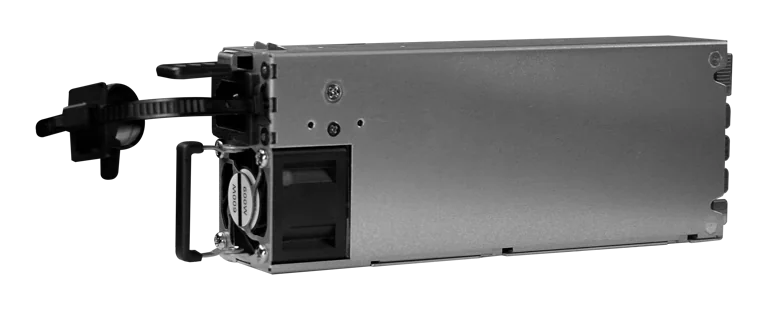
Buy MikroTik G1483-0600WNB in Kenya, a 600W hot-swappable 54.5V 10.35A power supply for the CRS320-8P-8B-4S+RM PoE++ switch, support
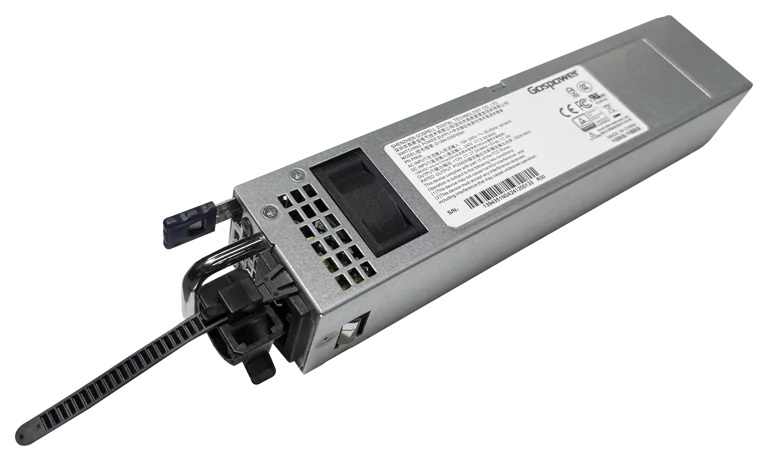
Buy MikroTik G1394-0350WNA in Kenya, a 350W hot-swappable 12V DC 27.5A AC power supply designed for the MikroTik CRS804 DDQ 400G swi
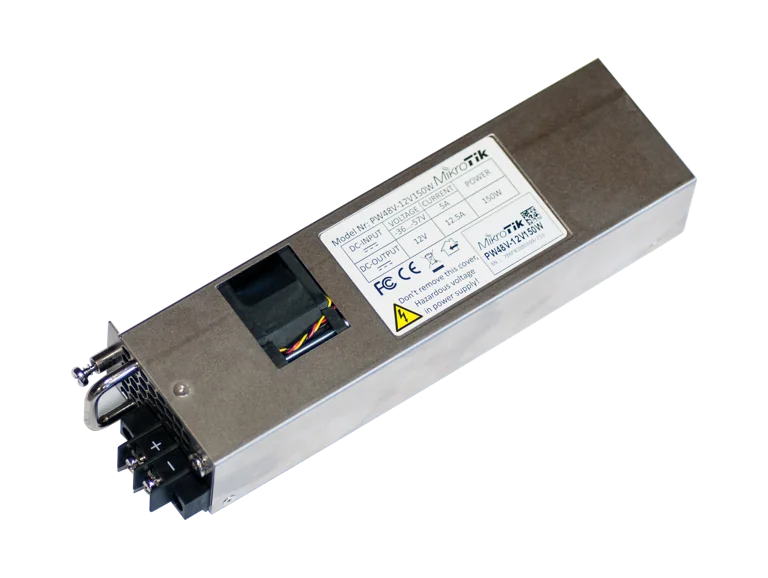
Buy MikroTik PW48V-12V150W in Kenya, a 150W hot-swappable -48V DC telecom power supply for CCR1072, CCR2216, CRS518 and CRS520 high-
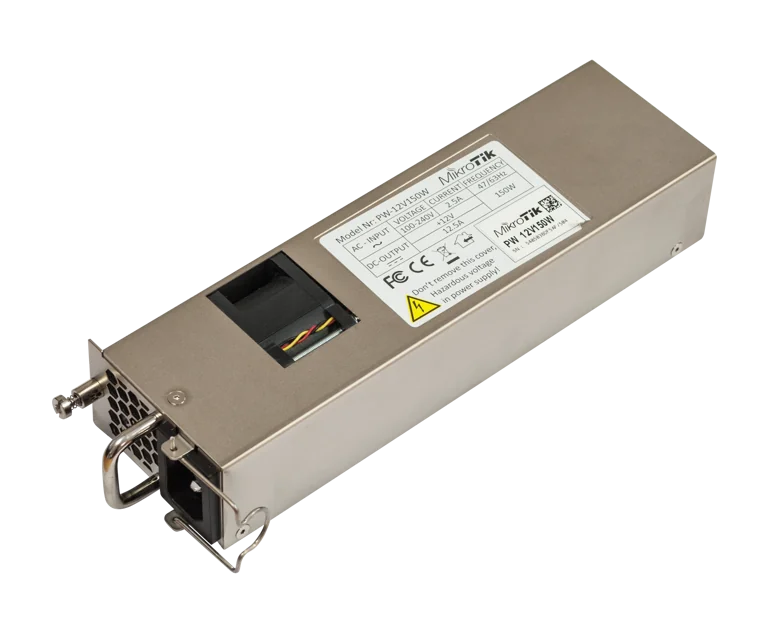
Buy MikroTik 12POW150 in Kenya, a 12V 150W hot-swap AC/DC power supply for CCR1072, CCR2216, CRS518 and CRS520 high-availability net