Who is this product best for?
- Home and small office routing
- Business internet edge routing
- ISP customer or branch deployments

Works with compatible MikroTik RouterOS networks and standard Ethernet networking equipment. Confirm port, power and mounting requirements before purchase.
Check the product label or manufacturer datasheet for exact input voltage, PoE support and power adapter requirements.
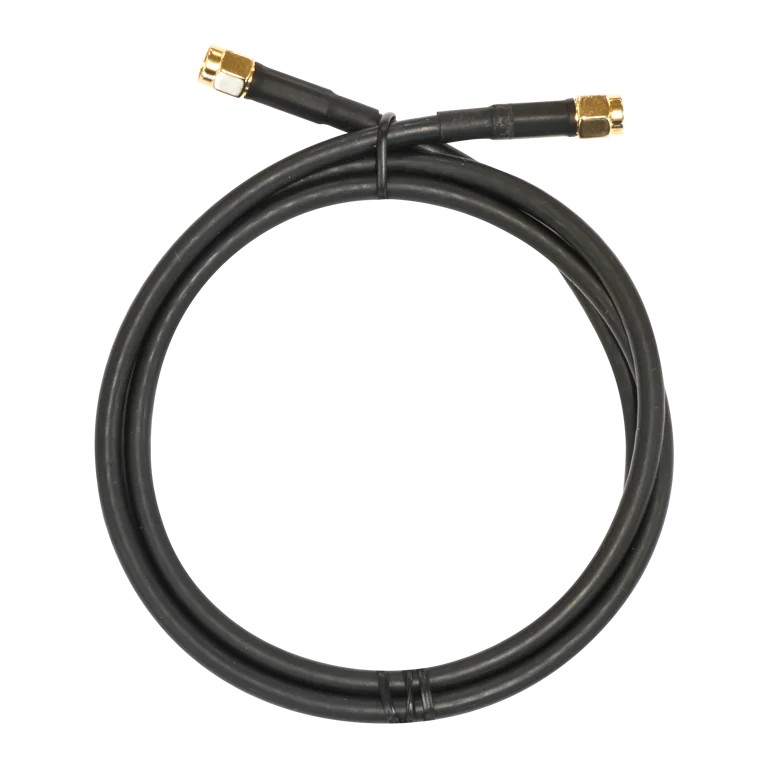
Buy MikroTik SMASMA in Kenya, a 1-metre 50-ohm SMA male-to-SMA male coaxial cable for connecting MikroTik LTE equipment to external antennas, with operation up to 2.7 GHz.

The MikroTik SMASMA is a 1-metre SMA male-to-SMA male RF cable designed primarily for connecting MikroTik LTE equipment to compatible external antennas. It is particularly useful together with the ACSMAUFL pigtail, allowing an internal LTE card with U.FL connectors to connect through an enclosure to an external SMA antenna.
MikroTik specifies a 50-ohm impedance, a frequency range from DC to 2.7 GHz, and maximum attenuation of 0.9 dB or less across that frequency range. The cable is designed to operate between approximately -40°C and +85°C, making it appropriate for demanding networking and telecommunications environments.
The current official suggested price is US$9. A dependable current Kenya-specific price for the exact SMASMA cable was not confirmed, so buyers should request the latest local quotation rather than relying on an estimated converted price.
MikroTik also confirms that the coaxial cable used in the official SMASMA accessory is LMR195. (mikrotik.com)
What Is MikroTik SMASMA?SMASMA is a passive RF cable used to extend an SMA antenna connection.
A typical MikroTik LTE setup can look like:
LTE modem → ACSMAUFL → SMASMA → External LTE antenna
For example:
R11e-LTE → ACSMAUFL → SMASMA → mANT LTE 5o
The SMASMA cable does not contain a modem, amplifier or antenna. Its job is simply to carry RF signals between compatible SMA interfaces.
Key Features of MikroTik SMASMASMASMA uses SMA male connectors at both ends. (mikrotik.com)
This makes it suitable for joining two compatible SMA female interfaces, such as an external SMA bulkhead connector and an LTE antenna.
It is important to confirm connector type before ordering because SMA and RPSMA are not interchangeable.
The cable measures 1 metre, providing enough distance to reposition an LTE antenna without creating an unnecessarily long RF cable run. (mikrotik.com)
Shorter RF cable runs are generally preferable because longer coaxial cables introduce additional attenuation.
MikroTik specifies the SMASMA at 50 Ohms, the standard impedance widely used in wireless networking and telecommunications RF equipment. (mikrotik.com)
Maintaining the correct impedance throughout the radio, cable and antenna system is important for efficient RF transmission.
MikroTik SMASMA CompatibilityDevice / AccessoryCompatibility / UseACSMAUFLPrimary companion pigtailwAP ROfficial related productR11e-LTEOfficial related productR11e-LTE-USOfficial related productLtAP miniOfficial related productLtAP mini LTE kitOfficial related productLtAP mini LTE kit-USOfficial related productLtAP mini 4G kitOfficial related productmANT LTE 5oSuitable LTE antenna applicationSMA Female AntennasCompatible when frequency requirements matchU.FL ModemsRequire ACSMAUFL firstMMCX ModemsRequire the correct MMCX adapterRPSMA EquipmentNot directly compatibleMikroTik currently lists wAP R, ACSMAUFL, R11e-LTE, LtAP mini variants and mANT LTE 5o as related products for SMASMA. (mikrotik.com)
4. Frequency Support Up to 2.7 GHzSMASMA is officially specified for frequencies from DC to 2.7 GHz. (mikrotik.com)
This range makes it particularly suitable for many traditional LTE frequency bands. The connected antenna and modem must also support the required mobile-network bands.
It should not automatically be assumed suitable for higher-frequency 5G bands above the published 2.7 GHz range.
5. Maximum Attenuation of 0.9 dBMikroTik specifies maximum attenuation of:
≤0.9 dB from DC to 2.7 GHz. (mikrotik.com)
RF attenuation means some signal energy is lost while travelling through the cable. Keeping coaxial cables reasonably short helps reduce these losses.
6. LMR195 Coaxial CableMikroTik confirms that the official SMASMA uses LMR195 coaxial cable. (mikrotik.com)
LMR195 is used for compact RF installations where installers require a balance between flexibility, size and acceptable attenuation.
7. Designed for External LTE AntennasOne of SMASMA's primary applications is connecting MikroTik LTE equipment to an external antenna.
MikroTik specifically describes the cable for connecting an LTE card, together with an ACSMAUFL pigtail, to an external antenna when using equipment such as wAP R. (mikrotik.com)
8. Suitable for mANT LTE 5oThe MikroTik mANT LTE 5o is a 5 dBi outdoor LTE antenna with two SMA female connectors and operates from 699 to 2690 MHz. MikroTik specifically references the SMASMA cable in its documentation for this antenna. (mikrotik.com)
Because the antenna uses two connections for 2×2 MIMO, installations may require two SMASMA cables depending on the router and modem configuration.
Common Applications of MikroTik SMASMA in KenyaSMASMA is useful in LTE internet installations where the router or modem needs to remain indoors or within a protected enclosure while the antenna is installed in a position with better cellular reception.
It can also be useful for rural connectivity, CCTV sites, farms, fleet installations, remote monitoring, construction sites and industrial deployments where MikroTik LTE hardware connects to an externally mounted antenna.
The cable is particularly relevant when paired with products such as ACSMAUFL and mANT LTE 5o, creating a complete RF connection between an internal LTE modem and an outdoor antenna. (mikrotik.com)
MikroTik SMASMA Price in KenyaMikroTik currently lists SMASMA at an official suggested manufacturer price of US$9. (mikrotik.com)
A sufficiently reliable current Kenya retail listing for the exact SMASMA model was not confirmed during the latest check. Since local stock, VAT, exchange rates and distributor pricing vary, request the current Kenya quotation before ordering.
Pricing InformationDetailsOfficial Suggested PriceUS$9Kenya Retail PriceRequest current quotationProduct CodeSMASMACable Length1 metreConnectorsSMA male to SMA maleACSMAUFL IncludedNoLTE Antenna IncludedNoRecommended Buying CheckConfirm SMA connector and supported frequency requirementsSMASMA vs ACSMAUFL vs Flex-guideFeatureSMASMAACSMAUFLFlex-guidePrimary PurposeSMA extension cableInternal U.FL to external SMA connectionRPSMA RF extensionConnector 1SMA maleU.FLRPSMAConnector 2SMA maleSMA femaleRPSMALength1 mShort internal pigtail50 cmMain ApplicationLTE external antenna extensionLTE/LoRa modem pigtailWi-Fi antenna connectionPublished Frequency RangeDC–2.7 GHzDepends on RF installationUp to 6 GHzPower RequiredNoNoNoOfficial Suggested PriceUS$9US$9US$9All three are passive RF accessories, but they perform very different connector roles. MikroTik currently lists each at US$9. (mikrotik.com)
Why Choose MikroTik SMASMA?The SMASMA is a practical accessory when an LTE installation needs additional distance between an SMA antenna connection and the external antenna.
Its main advantages include SMA male connectors on both ends, 1 m cable length, 50-ohm impedance, operation up to 2.7 GHz, ≤0.9 dB maximum published attenuation, LMR195 coaxial construction and compatibility with several MikroTik LTE accessories. (mikrotik.com)
It also requires no power, RouterOS configuration or firmware.
Frequently Asked Questions About MikroTik SMASMAThe MikroTik SMASMA is a 1-metre RF coaxial cable with SMA male connectors on both ends, designed primarily for LTE external antenna connections. (mikrotik.com)
The official product code is SMASMA.
It is 1 metre long. (mikrotik.com)
It uses an SMA male connector on each end. (mikrotik.com)
The cable is specified at 50 Ohms. (mikrotik.com)
MikroTik specifies a frequency range of DC to 2.7 GHz. (mikrotik.com)
MikroTik specifies maximum attenuation of 0.9 dB or less across DC–2.7 GHz. (mikrotik.com)
MikroTik states that the SMASMA accessory uses LMR195 coaxial cable. (mikrotik.com)
MikroTik specifies approximately -40°C to +85°C. (mikrotik.com)
The official suggested price is currently US$9. (mikrotik.com)
A dependable current local price was not confirmed. Request the latest quotation from MikroTik Kenya because pricing can vary with stock, VAT and exchange rates.
No. It is an RF cable used to connect compatible equipment and antennas.
Yes. MikroTik specifically describes SMASMA as an accessory that can connect an ACSMAUFL pigtail to an external antenna. (mikrotik.com)
A typical connection is:
LTE card → ACSMAUFL → SMASMA → external antenna
ACSMAUFL converts the modem's U.FL interface to SMA, while SMASMA provides the longer SMA cable run.
Yes. MikroTik specifically mentions wAP R as a primary application and notes that the enclosure includes openings intended for these cables. (mikrotik.com)
Yes, normally together with the appropriate ACSMAUFL pigtail. MikroTik lists R11e-LTE as a related product. (mikrotik.com)
Yes. Several LtAP mini models appear in MikroTik's related-product list for SMASMA. (mikrotik.com)
Yes. The mANT LTE 5o uses two SMA female connectors, and MikroTik specifically refers to SMASMA in its antenna documentation. (mikrotik.com)
A 2×2 MIMO installation normally uses two RF connections, so two SMASMA cables may be required depending on your LTE modem setup. The mANT LTE 5o itself contains two cross-polarized antenna elements and two SMA female connectors. (mikrotik.com)
No. SMA and reverse-polarity SMA are different connectors. SMASMA should not be substituted for an RPSMA cable such as Flex-guide without checking the complete connector arrangement.
Usually not. Flex-guide uses RPSMA connections and is intended mainly for compatible Wi-Fi antenna applications, while SMASMA uses standard SMA connectors and is primarily associated with LTE equipment.
The cable itself does not amplify LTE signals. It can enable an external antenna to be installed in a better location, which may improve reception depending on antenna gain, alignment, frequency, tower location and cable losses.
Not directly. If an external antenna improves cellular signal quality, the LTE modem may achieve better performance, but the cable itself does not increase modem capability.
Yes. MikroTik specifically warns that using longer coaxial cable increases attenuation. (mikrotik.com)
Technically additional compatible connectors or couplers may allow this, but every extra cable length and connector adds RF loss. A correctly sized low-loss cable is generally preferable.
No. It is completely passive.
No.
No.
No.
No. WinBox configures the connected MikroTik router or LTE modem, not the RF cable.
The cable can be part of an outdoor antenna installation, but connectors should be appropriately weather-protected. Outdoor exposure should always follow the installation requirements of the antenna and router.
Only where the required radio frequencies fall within the cable's published DC–2.7 GHz range. Do not assume it is suitable for higher 5G frequency bands without checking the complete RF requirements. (mikrotik.com)
The published DC–2.7 GHz frequency range includes 2.4 GHz, provided the equipment uses standard SMA connectors and the application is otherwise compatible. (mikrotik.com)
Yes, particularly where LTE is used as a backup or primary WAN connection and an external cellular antenna is required.
Yes. Remote CCTV sites using MikroTik LTE routers may use SMASMA as part of an external antenna installation.
Yes. Rural LTE installations often benefit from external antenna placement where cellular coverage is weak or inconsistent.
SMASMA can be sourced through MikroTik networking suppliers in Kenya. Confirm the exact SMASMA 1 m SMA male-to-SMA male product before ordering.
Installing MikroTik SMASMAFor an LTE modem using U.FL connectors, first install the appropriate ACSMAUFL pigtail. Its SMA female connector becomes the connection point for one end of the SMASMA cable. Connect the other SMA male end to a compatible antenna or antenna system with an SMA female interface.
Avoid sharp bends, crushing the cable or applying excessive mechanical force to the connectors. Because coaxial cable attenuation increases with length, use only as much RF cable as necessary. MikroTik specifically notes that a longer cable increases attenuation
For a 2×2 MIMO LTE antenna such as the mANT LTE 5o, two RF connections are used. The antenna operates across 699–2690 MHz, has two SMA female connectors and provides 5 dBi gain, making SMASMA a suitable companion cable within its published frequency range.
ConclusionThe MikroTik SMASMA is a straightforward but important LTE antenna accessory providing a 1-metre SMA male-to-SMA male connection with 50-ohm impedance. Its DC–2.7 GHz frequency range, maximum ≤0.9 dB attenuation and LMR195 coaxial construction make it suitable for many MikroTik LTE antenna installations.
It is particularly useful alongside ACSMAUFL, wAP R, R11e-LTE, LtAP mini and mANT LTE 5o, allowing external antennas to be positioned more conveniently while the router or modem remains protected. Since RF losses increase with cable length, the 1-metre design provides a practical balance between positioning flexibility and attenuation.
MikroTik currently lists SMASMA at an official suggested price of US$9. For the latest MikroTik SMASMA price in Kenya, SMA antenna cables, ACSMAUFL pigtails, LTE routers and MikroTik external antennas, visit Mikrotik Kenya for current pricing and availability.
Reviews are not available yet for this product.
SMASMA is currently listed as available. Stock can change, so confirm availability before placing a large order.
The current listed price is KSh 2,500.00. Prices are generated from the product catalogue and may change when inventory is updated.
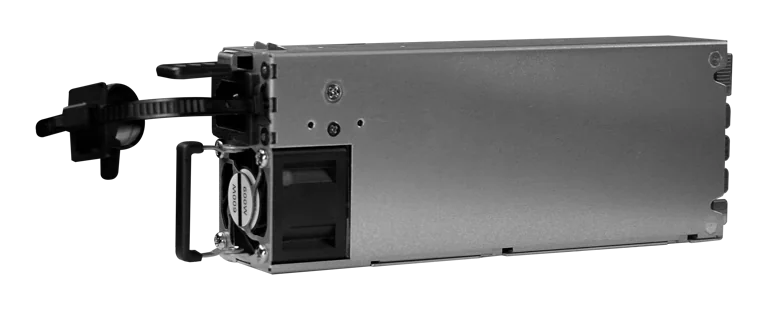
Buy MikroTik G1483-0600WNB in Kenya, a 600W hot-swappable 54.5V 10.35A power supply for the CRS320-8P-8B-4S+RM PoE++ switch, support
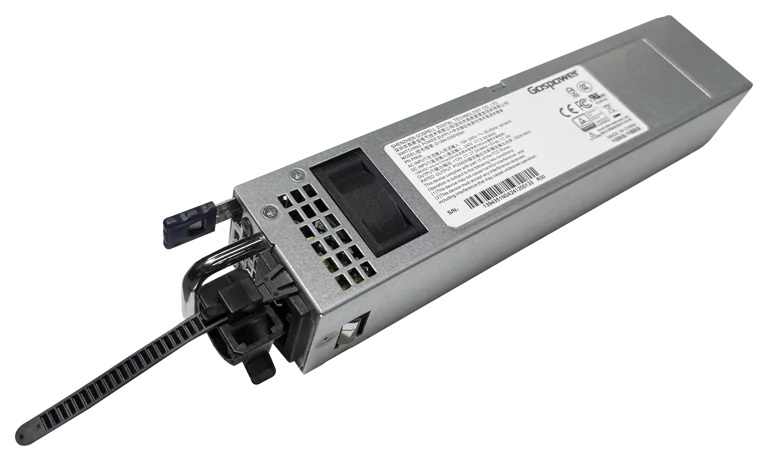
Buy MikroTik G1394-0350WNA in Kenya, a 350W hot-swappable 12V DC 27.5A AC power supply designed for the MikroTik CRS804 DDQ 400G swi
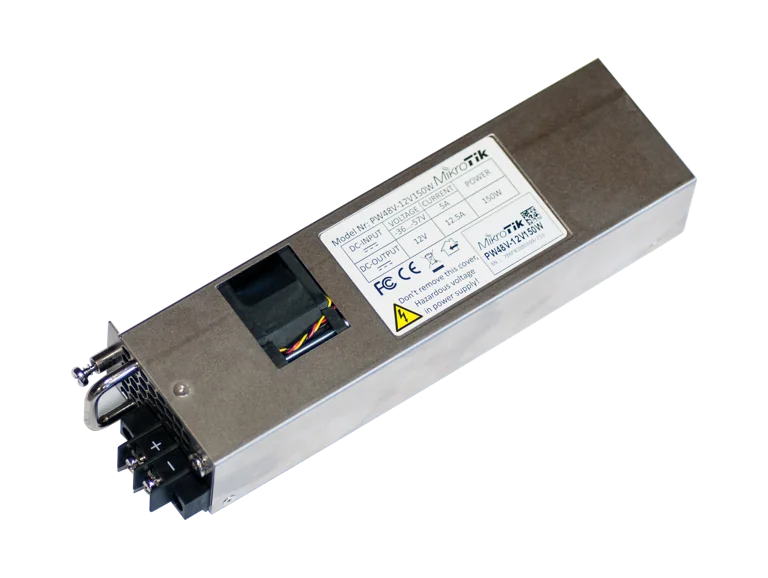
Buy MikroTik PW48V-12V150W in Kenya, a 150W hot-swappable -48V DC telecom power supply for CCR1072, CCR2216, CRS518 and CRS520 high-
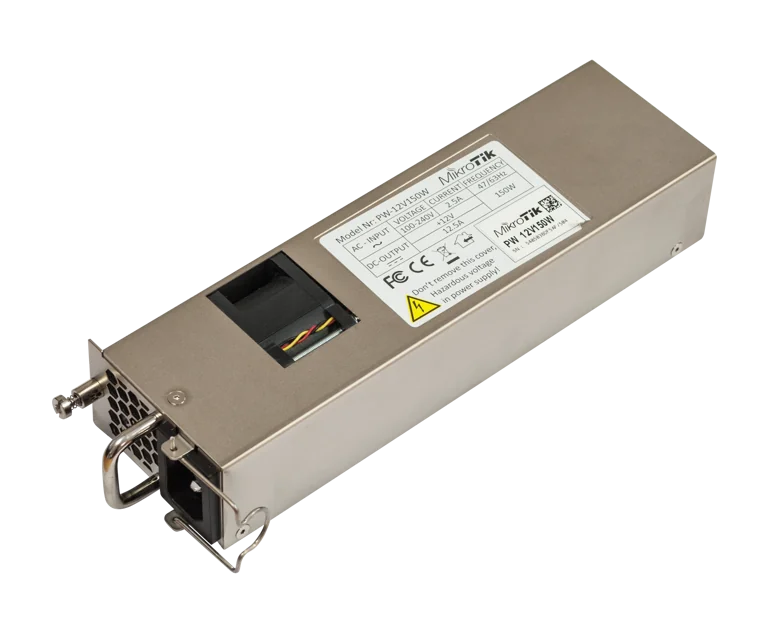
Buy MikroTik 12POW150 in Kenya, a 12V 150W hot-swap AC/DC power supply for CCR1072, CCR2216, CRS518 and CRS520 high-availability net