Who is this product best for?
- Home and small office routing
- Business internet edge routing
- ISP customer or branch deployments

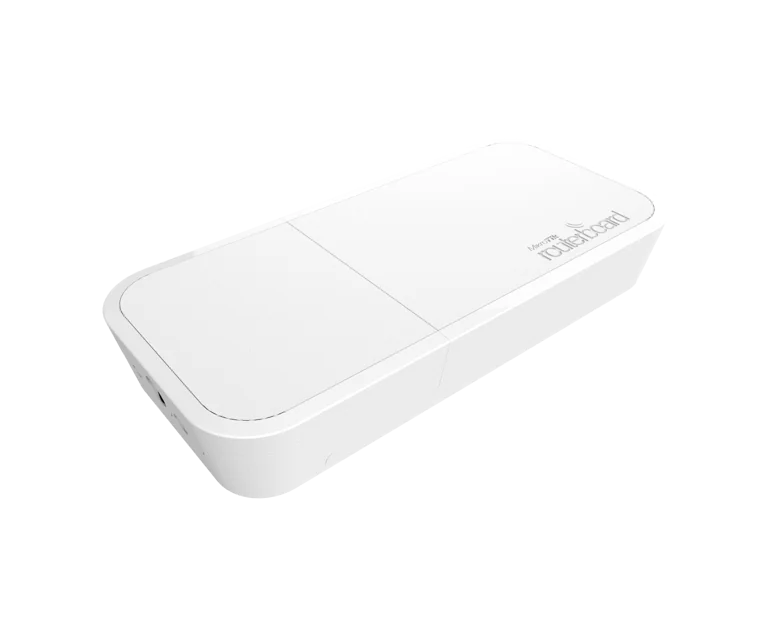
Works with compatible MikroTik RouterOS networks and standard Ethernet networking equipment. Confirm port, power and mounting requirements before purchase.
Check the product label or manufacturer datasheet for exact input voltage, PoE support and power adapter requirements.
The MikroTik RBFTC11, also commonly referred to as the MikroTik FTC, is a simple and reliable Gigabit Fiber-to-Copper media converter designed to convert a Gigabit SFP fiber connection into standard 10/100/1000 Mbps RJ45 Ethernet. It is particularly useful in ISP networks, CCTV systems, hotels, schools, campuses, apartment buildings and enterprise installations where fiber needs to terminate at a copper Ethernet device. MikroTik specifically states that the RBFTC11 works with Gigabit SFP connections only. (MikroTik)
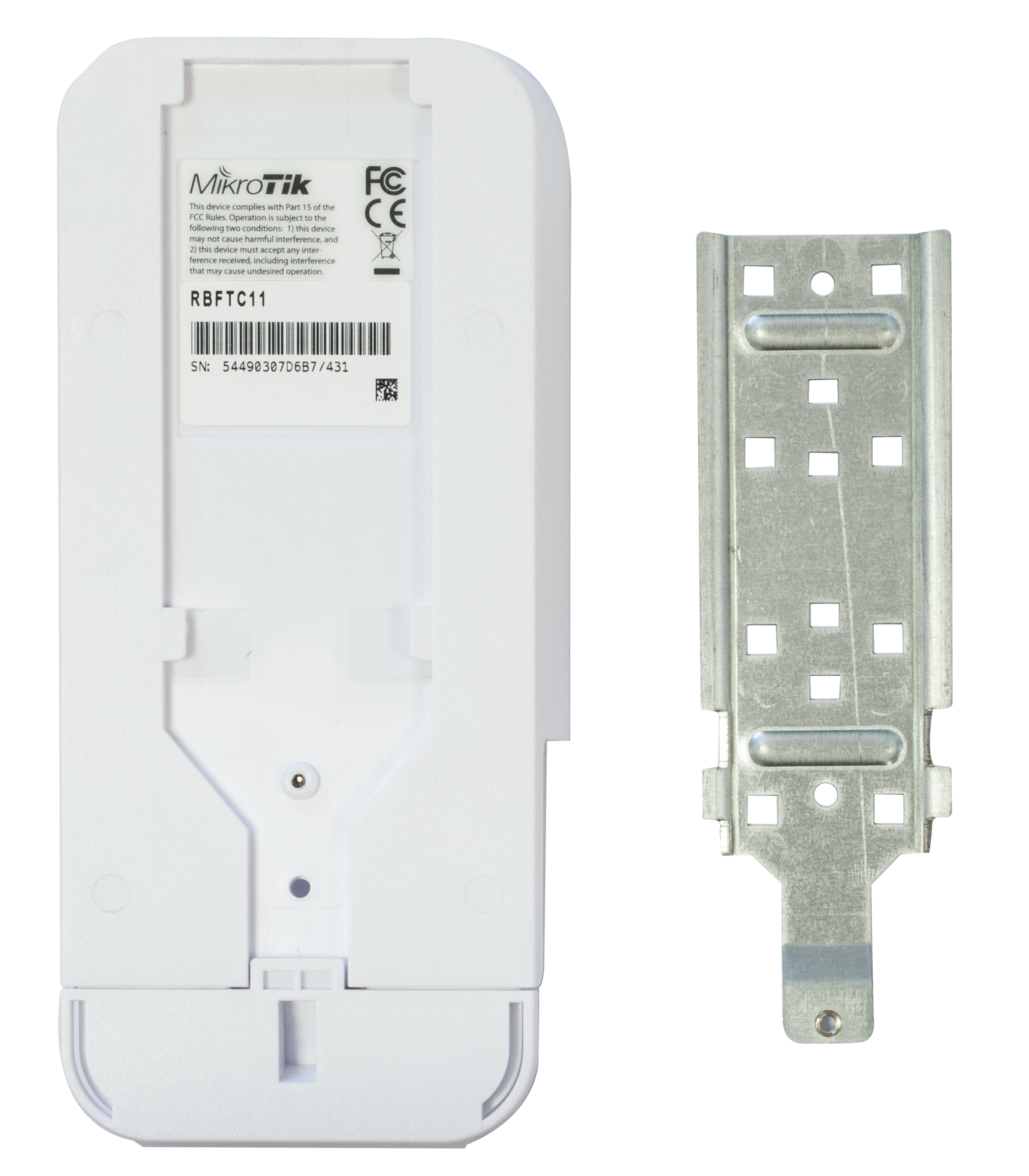
Unlike many indoor media converters, the RBFTC11 comes in a weather-resistant outdoor enclosure with a locking screw, allowing it to be installed in exposed or semi-exposed networking locations. MikroTik's current user manual gives the enclosure an IP54 rating and supports wall, ceiling and pole installation using the supplied mounting hardware. (MikroTik Help)
The device has one 10/100/1000 Mbps Ethernet port and one 1G SFP slot. It supports both DC powering and Ethernet PoE, with an input range of 12–57V, and accepts IEEE 802.3af/at PoE through its Ethernet interface. Maximum power consumption is only 3W, making the RBFTC11 a very low-power solution for remote fiber termination. (MikroTik)
MikroTik currently lists the RBFTC11 at a suggested international price of US$39. In Kenya, current listings vary: Network Options lists it at around KSh 4,800 + VAT, Senetic Kenya around KSh 4,908 gross, while other local sellers list it around KSh 6,000–7,500 depending on VAT and availability. (MikroTik)
For genuine MikroTik fiber converters, SFP modules, PoE equipment and complete fiber networking solutions, customers can source the RBFTC11 through Mikrotik Kenya.
MikroTik RBFTC11 Detailed SpecificationsSpecificationDetailsProduct CodeRBFTC11Product TypeGigabit Fiber-to-Copper Media ConverterEthernet Ports1 × 10/100/1000 MbpsFiber Interface1 × SFPSupported SFP Speed1 Gigabit onlySwitch ChipQCA8334-AL3CInput Voltage12–57VPoE-InIEEE 802.3af/atDC Power Input12–57VMaximum Power Consumption3WCoolingPassiveWeather RatingIP54Operating Temperature-40°C to +70°CStorage1 KB FlashMTBFApprox. 100,000 hours at 25°COperating SystemNoneManagement InterfaceNoneSuggested Manufacturer PriceUS$39Included Accessories24V 0.2A adapter, Gigabit PoE injector, K35 screw kit and mounting bracketMikroTik's current specification confirms one Gigabit Ethernet interface, one SFP port, the QCA8334-AL3C switch chip, 12–57V input, 802.3af/at PoE and a maximum power draw of 3W. (MikroTik)
What Is the MikroTik RBFTC11?The RBFTC11 is a straightforward device whose primary purpose is:
Fiber → RBFTC11 → Copper Ethernet
For example, an ISP can carry a Gigabit fiber connection to a customer's building, install an SFP module in the RBFTC11 and then provide standard RJ45 Ethernet to the customer's router or switch.
The same principle can be used in hotels, schools, factories, CCTV networks, estates and enterprise buildings.
The RBFTC11 does not run RouterOS or SwOS. It does not need software configuration and is designed to operate as a simple Fiber-to-Copper converter. (MikroTik Help)
Key Features of MikroTik RBFTC11The RBFTC11 converts a Gigabit SFP connection into a Gigabit Ethernet connection.
This is useful when the network backbone uses fiber but the device at the destination accepts RJ45 Ethernet.
Typical endpoints include:
Routers
Network switches
Firewalls
CCTV NVRs
Wireless access points
Servers
Customer-premises equipment
Because the RBFTC11 supports Gigabit Ethernet, it is suitable for modern broadband and enterprise networks that require considerably more bandwidth than older 100 Mbps converters.
2. One Gigabit SFP SlotThe RBFTC11 has one SFP slot and works specifically with Gigabit SFP connections. (MikroTik)
You can select the SFP module according to the intended network.
For example, installers may choose modules for:
Single-mode fiber
Multimode fiber
Short-distance links
Long-distance links
Different optical wavelengths
BiDi fiber deployments
The maximum fiber distance therefore depends mainly on the SFP module installed rather than the RBFTC11 itself.
3. Gigabit RJ45 Ethernet PortThe copper interface supports:
10 Mbps / 100 Mbps / 1000 Mbps
The port also supports Auto MDI/X, meaning either straight-through or crossover Ethernet cables can be used. (MikroTik Help)
This makes it easy to connect the RBFTC11 to common Ethernet equipment without requiring specialized crossover cabling.
4. 12–57V Flexible Power InputThe RBFTC11 accepts a very broad 12–57V DC input range. (MikroTik)
This makes it compatible with different MikroTik and third-party power systems.
Power can be provided through:
DC jack
Passive-compatible infrastructure within supported voltage
IEEE 802.3af PoE
IEEE 802.3at PoE+
The wide voltage range is particularly useful for ISP and outdoor deployments where network equipment may use different DC power systems.
5. IEEE 802.3af/at PoE SupportThe Ethernet interface supports IEEE 802.3af and 802.3at PoE input. (MikroTik Help)
This means the RBFTC11 can be installed remotely and powered through the same Ethernet cable used for networking.
A typical installation can therefore be:
PoE Source → Ethernet Cable → RBFTC11 → Fiber
This can reduce the need for a separate electrical outlet at the converter location.
6. Outdoor IP54 EnclosureThe RBFTC11 was specifically designed for installations where a standard indoor media converter would be inconvenient.
MikroTik's current manual lists an IP54 enclosure rating. (MikroTik Help)
The casing provides protection against dust ingress and splashing water when properly installed.
The enclosure also includes a locking screw, helping protect the internal connections against accidental opening or unauthorized access.
7. Secure Locking DesignOne practical feature of the RBFTC11 is its protected bottom cover.
The cover uses a captive screw, and MikroTik also includes a Torx T20 security screw that can be used where additional tamper resistance is required. (MikroTik Help)
This is particularly useful for:
Rooftop installations
Apartment buildings
Public areas
Outdoor ISP equipment
Unattended network cabinets
The RBFTC11 provides several installation options.
MikroTik's current manual supports:
Wall mounting
Ceiling mounting
Pole mounting
Installation using the supplied MikroTik bracket
For pole mounting, zip ties or a suitable steel clamp can be used. (MikroTik Help)
This flexibility makes the RBFTC11 useful in both indoor and outdoor network projects.
9. Extremely Low Power ConsumptionThe RBFTC11 consumes a maximum of only 3W. (MikroTik)
That makes it particularly useful for:
Solar-powered network sites
Battery-backed installations
ISP towers
Remote cabinets
PoE-powered deployments
Because it uses passive cooling, there are no cooling fans to maintain.
MikroTik RBFTC11 Connectivity and PowerFunctionSpecificationPractical UseSFP Port1 × 1G SFPConnect fiber transceiverEthernet Port1 × 10/100/1000Connect router, switch or endpointDC Input12–57VLocal power supplyPoE-In802.3af/atRemote power over EthernetMaximum Consumption3WLow-energy deploymentAuto MDI/XYesStraight or crossover cable supportedCoolingPassiveFanless operationLED IndicatorsPower, Ethernet and SFPBasic troubleshootingThe included LEDs show power, Ethernet activity and SFP activity, which can help technicians quickly confirm whether the optical and copper links are operating.
MikroTik RBFTC11 Price in KenyaCurrent Kenyan listings show that the RBFTC11 price can vary according to supplier, VAT and availability.
Network Options lists the unit at approximately KSh 4,800 + VAT, while Senetic Kenya lists it at approximately KSh 4,908 including VAT. Shopit has also listed it at approximately KSh 6,500 before VAT, showing why buyers should compare the actual final price and stock status before ordering.
MikroTik's own current suggested price is US$39.
For current availability and a Kenya quotation, contact Mikrotik Kenya.
What SFP Module Should You Use with RBFTC11?The correct SFP depends on the fiber infrastructure.
Before selecting a module, determine:
Whether your fiber is single-mode or multimode
The required transmission distance
Required wavelength
Connector type
Whether the opposite network device uses the same optical standard
Whether BiDi or dual-fiber transmission is required
The RBFTC11 itself works with Gigabit SFP, not 10G SFP+ links.
RBFTC11 for Single-Mode FiberSingle-mode fiber is generally preferred for longer links.
Typical applications include:
ISP connections
Building-to-building links
Campus networks
Long-distance CCTV links
Enterprise fiber backbones
The actual distance depends on the SFP transceiver selected.
RBFTC11 for Multimode FiberMultimode fiber can be used for shorter connections, particularly inside buildings and campuses.
Typical applications include:
Server rooms
Data cabinets
Office floors
Short campus links
Industrial buildings
A compatible multimode Gigabit SFP must be installed at both ends.
MikroTik RBFTC11 vs FTC21The RBFTC11 is a simple unmanaged Gigabit converter, while the newer FTC21 is a more advanced managed Fiber-to-Copper converter.
The FTC21 offers features such as:
Two Gigabit Ethernet ports
Up to 2.5G SFP support
SwOS Lite
VLANs
SNMP
ACL filtering
Traffic shaping
The RBFTC11 is better where you simply need reliable 1G Fiber-to-Copper conversion without management.
FTC21 is better where network monitoring and VLAN control are required.
MikroTik RBFTC11 vs FTC11XGFTC11XG is designed for significantly faster networks.
FTC11XG provides:
10G SFP+
10G multi-gigabit RJ45
SwOS Lite
VLANs
SNMP
ACLs
Traffic shaping
RBFTC11 provides simple 1G conversion.
Choose RBFTC11 when Gigabit performance is sufficient and simplicity is preferred.
Choose FTC11XG when the network needs full 10 Gigabit capability.
MikroTik RBFTC11 vs Basic Indoor Media ConverterFeatureRBFTC11Typical Basic Media ConverterFiber-to-CopperYesYesGigabit EthernetYesModel dependentGigabit SFP SlotYesModel dependentPoE Input802.3af/atOften unavailablePower Range12–57VUsually fixed adapterOutdoor ProtectionIP54Usually indoor onlyLockable EnclosureYesUsually noPole MountingYesUsually noPower ConsumptionMaximum 3WVariesManagementNoneUsually noneThe main advantages of RBFTC11 over many simple converters are its outdoor enclosure, PoE powering, flexible mounting and broad voltage range.
RBFTC11 Applications in KenyaInternet Service Providers can use RBFTC11 to terminate fiber connections at customer premises and convert the connection into Gigabit Ethernet for a router or firewall.
A basic example is:
ISP Fiber → SFP → RBFTC11 → Ethernet → Customer Router
Building-to-Building FiberThe RBFTC11 is useful where two buildings need to be connected using fiber rather than copper.
Fiber can provide:
Longer reach
Electrical isolation
Lower susceptibility to electromagnetic interference
Better protection against electrical differences between buildings
The RBFTC11 converts the fiber connection back into conventional Ethernet at the destination.
CCTV NetworksFiber is increasingly used in large CCTV installations where cameras or camera groups are far from the main control room.
The RBFTC11 can terminate the fiber link and provide Gigabit Ethernet to:
CCTV switches
NVR systems
Remote camera switches
Network cabinets
Hotels can use fiber to connect:
Accommodation blocks
Security offices
Conference facilities
Administration buildings
Remote Wi-Fi distribution points
The RBFTC11 can then provide Ethernet connectivity at each destination.
Schools and UniversitieEducational campuses can use RBFTC11 for connecting:
Computer labs
Libraries
Administration blocks
Hostels
CCTV cabinets
Wi-Fi distribution points
RBFTC11 can also support fiber deployments in:
Apartment blocks
Gated communities
Commercial buildings
Multi-floor properties
Fiber can be carried to remote sections of a property and converted back to Gigabit Ethernet as needed.
Outdoor ISP and Rooftop DeploymentsThe enclosure and PoE support make RBFTC11 particularly suitable for rooftops and poles where placing a normal indoor media converter may not be practical.
The lockable housing also helps discourage unauthorized access to the fiber and Ethernet interfaces.
What Comes with MikroTik RBFTC11?MikroTik currently lists several accessories in the package:
24V 0.2A power adapter
Gigabit PoE injector
K35 screw kit
wAP-style ceiling mounting bracket
This provides most of the basic hardware required to install and power the converter.
The SFP transceiver is selected separately according to the fiber network.
Important Considerations Before Buying RBFTC11Before purchasing, confirm that your network uses a compatible 1G SFP connection.
You should also check:
Fiber type
Optical wavelength
Transmission distance
SFP compatibility
Connector type
Ethernet speed
Power source
Outdoor mounting requirements
Grounding requirements
The most important limitation to remember is that RBFTC11 is Gigabit-only on the SFP side. It should not be purchased for a 10G SFP+ link.
Frequently Asked Questions About MikroTik RBFTC11The MikroTik RBFTC11 is a compact Gigabit Fiber-to-Copper media converter. It accepts a 1G SFP fiber connection and converts it to standard Gigabit RJ45 Ethernet. It is designed for both indoor and outdoor networking installations.
Its main purpose is to allow an optical fiber link to connect to equipment that only has a copper RJ45 Ethernet interface. For example, fiber arriving at a building can enter the RBFTC11 through an SFP transceiver, and the RBFTC11 can then provide Gigabit Ethernet to a router or switch.
Current Kenyan listings vary. Network Options lists it at approximately KSh 4,800 + VAT, while Senetic Kenya has listed it at approximately KSh 4,908 including VAT. Other suppliers have listed prices closer to KSh 6,000–7,500 depending on VAT and availability.
MikroTik currently lists the RBFTC11 at US$39.
Yes. Its Ethernet interface supports 10/100/1000 Mbps operation.
It has one 10/100/1000 Mbps RJ45 Ethernet port.
The RBFTC11 contains one SFP slot
The enclosure physically belongs to the wider SFP product family, but MikroTik clearly states that the RBFTC11 works only with Gigabit SFP connections. It should therefore not be selected for 10G SFP+ networking. Can I use a 10G SFP+ module in RBFTC11?
It should not be expected to operate as a 10G connection. RBFTC11 is designed for 1G SFP links. For a 10G fiber-to-copper project, the FTC11XG is the more appropriate MikroTik product.
No integrated optical module is specified with the converter. You select the SFP transceiver according to the fiber type, wavelength and distance required.
Yes. Install a compatible Gigabit single-mode SFP transceiver appropriate for the fiber distance and wavelength.
Yes. A compatible Gigabit multimode SFP can be used for shorter-distance optical connections.
There is no single distance fixed by the RBFTC11 itself. The distance is determined mainly by the SFP module and fiber type. A suitable single-mode SFP may support many kilometres, while a multimode module will normally be intended for much shorter links.
Potentially yes, provided compatible Gigabit BiDi SFP transceivers are selected and the paired wavelengths match correctly at opposite ends of the fiber link.
No. RBFTC11 has no RouterOS operating system.
No. It does not run SwOS either. It is designed as a straightforward unmanaged media converter.
Normally no. Because it does not have its own management operating system, the main installation requirements are connecting the appropriate SFP, fiber, Ethernet cable and power supply.
No conventional management address is required because the device does not run RouterOS or SwOS and does not provide a typical web-management interface.
The device does not provide a configurable VLAN-management interface. VLAN handling should normally be performed by routers or managed switches connected to the link.
No built-in SNMP management is provided. If SNMP monitoring is required, consider a managed device such as FTC21 or FTC11XG.
Yes. Its Ethernet interface supports IEEE 802.3af/at PoE input.
MikroTik specifies an input range of 12–57V DC.
Yes. The direct-input DC jack accepts 12–57V DC.
Yes. The Ethernet interface supports PoE input, allowing power to be supplied through an Ethernet cable.
Yes. IEEE 802.3af PoE is officially supported.
Yes. IEEE 802.3at PoE+ is also supported.
Maximum power consumption is only 3W.
No. It uses passive cooling.
MikroTik specifies an operating range of approximately -40°C to +70°C in its current documentation.
MikroTik describes it as an outdoor converter, while the current manual specifies an IP54 rating. It is therefore weather-resistant when correctly installed, but it should not be treated as an IP67/IP68 submersible enclosure.
Yes. Outdoor installation is one of its intended uses. The mounting and enclosure instructions should be followed carefully.
Yes. MikroTik says it can be mounted on a pole using zip ties or a suitable steel clamp.
Yes. Wall mounting is supported using the supplied bracket and hardware.
Yes. MikroTik also provides instructions and hardware for ceiling installation.
Yes. The case includes a locking mechanism, and MikroTik provides a Torx T20 security screw that can be used to further secure the bottom cover.
Yes. MikroTik currently lists a 24V 0.2A power adapter among the included parts.
Yes. A Gigabit PoE injector is included.
The device uses a QCA8334-AL3C switch chip.
Yes. The Gigabit Ethernet port can connect directly to a compatible router.
Yes. It can convert the fiber link into Gigabit Ethernet for connection to a conventional switch.
Yes. It is particularly useful where CCTV traffic needs to be transported over fiber between distant network points.
Yes. It is well suited to simple ISP Fiber-to-Copper conversions where Gigabit speed is sufficient and a managed converter is not required.
Yes. Fiber can run between the buildings, and an RBFTC11 can be used at the destination to convert the optical connection back into Ethernet.
Yes. It can connect remote hotel buildings, CCTV points, conference facilities and Wi-Fi distribution areas using fiber.
Yes. It can be used to terminate fiber links serving laboratories, offices, libraries, hostels, CCTV systems and wireless networks.
RBFTC11 is a simple unmanaged Gigabit media converter. FTC21 is a newer managed converter with two Gigabit Ethernet ports, up to 2.5G SFP support, SwOS Lite, VLANs, SNMP, traffic shaping and ACL capabilities.
RBFTC11 is designed for 1G fiber and Gigabit Ethernet. FTC11XG is designed for much faster installations with 10G SFP+ and multi-gigabit RJ45 up to 10G.
Yes, where a straightforward 1G Fiber-to-Copper connection is all that is required. If you need 2.5G, 10G, VLAN management or SNMP monitoring, a newer managed MikroTik converter may be a better fit.
You can source the RBFTC11, compatible Gigabit SFP modules, PoE accessories and complete fiber-networking solutions through
MikroTik RBFTC11 Video GuideWatch the MikroTik RBFTC11 networking video
The MikroTik RBFTC11 is particularly useful where network designers want the reliability and distance advantages of fiber but still need conventional RJ45 Ethernet at the destination. By selecting the correct Gigabit SFP module, installers can adapt the same RBFTC11 to different single-mode or multimode fiber deployments. Its simple unmanaged design also makes installation straightforward because no RouterOS or SwOS configuration is required.
PoE support makes the converter even more practical for remote locations. The RBFTC11 can receive power through Ethernet using 802.3af/at or through its 12–57V DC input, while consuming a maximum of only 3W. Combined with the IP54 enclosure and lockable mounting system, this makes it useful for ISP rooftops, CCTV cabinets, campus fiber links and other locations where a conventional indoor media converter may be unsuitable.
For Kenyan installations, the most important requirement is selecting the correct Gigabit SFP module. The RBFTC11 itself does not determine the optical distance, wavelength or fiber type; those depend on the transceiver used. Once the optical specification is properly matched at both ends of the link, the RBFTC11 provides a simple and economical way to convert that fiber connection into standard Gigabit Ethernet.
The MikroTik RBFTC11 is a simple, dependable and cost-effective Fiber-to-Copper converter designed for Gigabit network installations. With one Gigabit SFP interface, one 10/100/1000 Ethernet port, 12–57V input, 802.3af/at PoE support and maximum consumption of only 3W, it offers the essential features required for remote fiber termination without unnecessary software complexity.
Its IP54 outdoor enclosure, security screw and flexible wall, ceiling or pole mounting make it particularly useful for ISPs, CCTV installations, hotels, schools, campuses, estates and enterprise networks. MikroTik's current suggested price of US$39 and Kenyan retail listings around the KSh 4,800–7,500 range also make it an accessible solution for Gigabit fiber projects.
Whether you need the RBFTC11 for an ISP customer connection, CCTV backbone, hotel fiber network, school campus, apartment project, office building or building-to-building link, Mikrotik Kenya provides genuine MikroTik products, Gigabit SFP modules, PoE accessories and professional networking solutions for projects across Kenya.
Reviews are not available yet for this product.
RBFTC11 is currently listed as available. Stock can change, so confirm availability before placing a large order.
The current listed price is KSh 8,000.00. Prices are generated from the product catalogue and may change when inventory is updated.
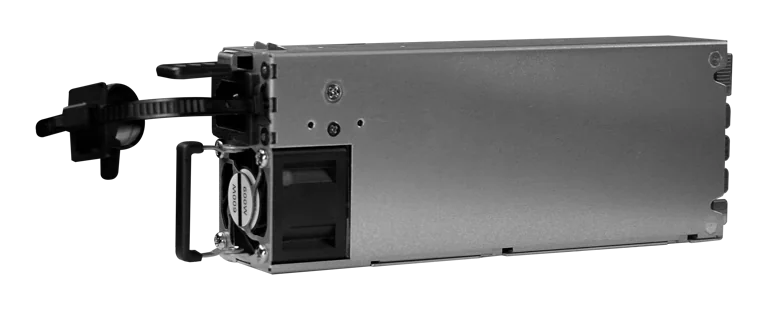
Buy MikroTik G1483-0600WNB in Kenya, a 600W hot-swappable 54.5V 10.35A power supply for the CRS320-8P-8B-4S+RM PoE++ switch, support
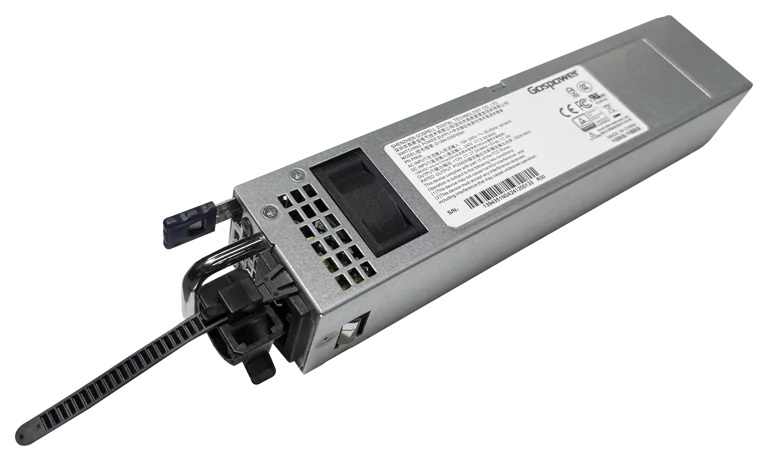
Buy MikroTik G1394-0350WNA in Kenya, a 350W hot-swappable 12V DC 27.5A AC power supply designed for the MikroTik CRS804 DDQ 400G swi
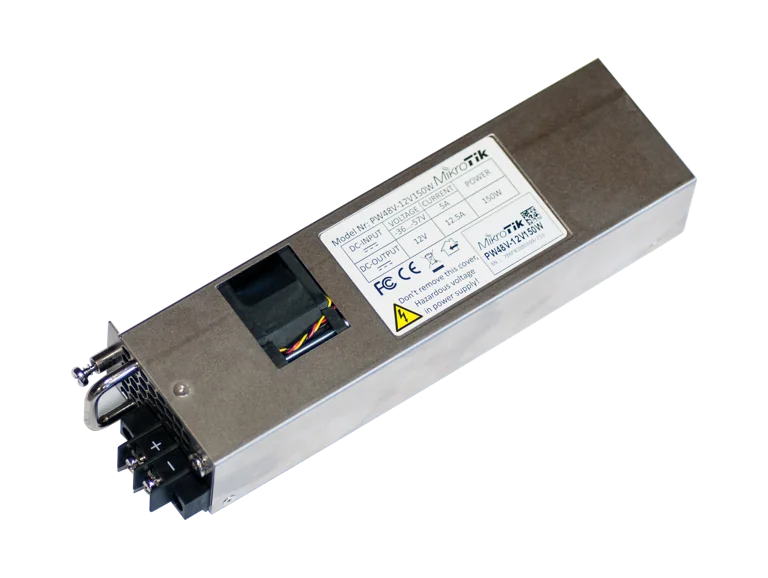
Buy MikroTik PW48V-12V150W in Kenya, a 150W hot-swappable -48V DC telecom power supply for CCR1072, CCR2216, CRS518 and CRS520 high-
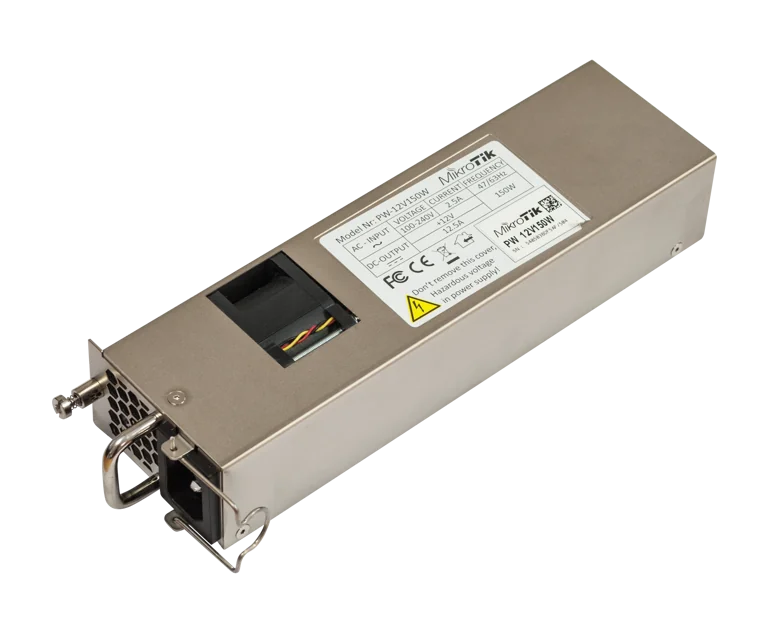
Buy MikroTik 12POW150 in Kenya, a 12V 150W hot-swap AC/DC power supply for CCR1072, CCR2216, CRS518 and CRS520 high-availability net