Who is this product best for?
- Home and small office routing
- Business internet edge routing
- ISP customer or branch deployments

Mikrotik antennas Price In Kenya
IN STOCKWorks with compatible MikroTik RouterOS networks and standard Ethernet networking equipment. Confirm port, power and mounting requirements before purchase.
Check the product label or manufacturer datasheet for exact input voltage, PoE support and power adapter requirements.
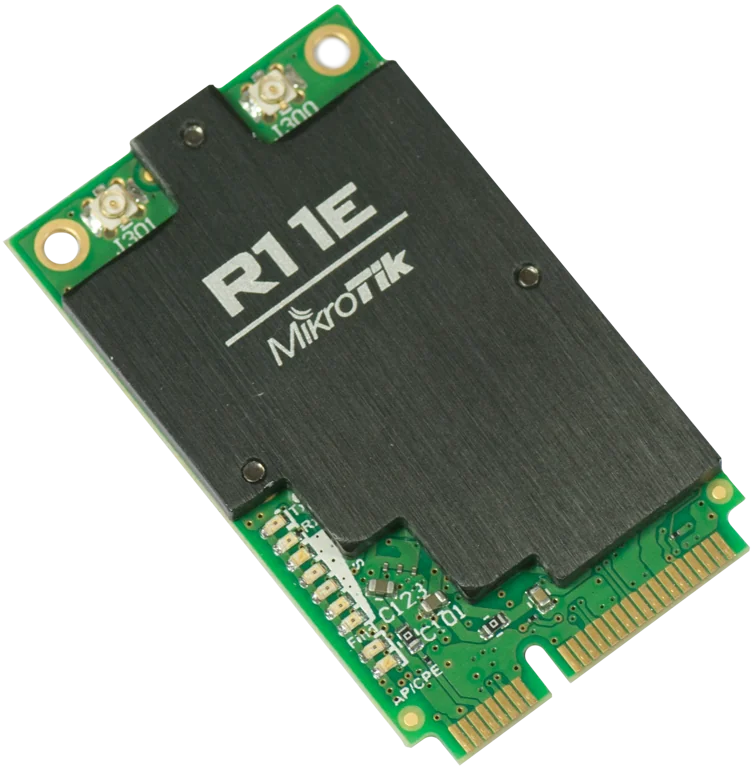
The MikroTik R11e-2HnD is a compact 2.4 GHz miniPCIe wireless interface card designed for compatible MikroTik RouterBOARD systems and custom wireless networking installations. It combines 802.11b/g/n support, dual-chain wireless connectivity, two U.FL antenna connectors and a low-profile form factor, making it particularly useful where space-efficient wireless expansion is required.
MikroTik describes the R11e-2HnD as a 2 GHz/2.4 GHz miniPCI Express, 802.11b/g/n dual-chain card with two U.FL connectors. Its compact heatsink differentiates it from the higher-powered R11e-2HPnD, which uses a larger heatsink and MMCX connectors. (MikroTik)
The R11e-2HnD can be used for customized access points, CPE installations, wireless ISP equipment, hotspot infrastructure and other RouterBOARD-based wireless deployments. MikroTik lists a suggested international price of US$39; actual prices in Kenya will vary according to stock, exchange rates, taxes and supplier costs. (MikroTik)
Customers looking for genuine MikroTik networking equipment can source the R11e-2HnD and receive compatibility and networking guidance through Mikrotik Kenya.
MikroTik R11e-2HnD SpecificationsSpecificationDetailsProduct ModelMikroTik R11e-2HnDProduct TypeWireless interface cardInterfaceminiPCIeWireless Band2.4 GHzFrequency Range2312–2732 MHzWireless StandardsIEEE 802.11b/g/nWi-Fi GenerationWi-Fi 4Wireless ChainsDual-chainChipsetAR9582Antenna Connectors2 × U.FLMaximum Output PowerUp to 800 mWMaximum Power Consumption5 WDimensions51 × 30 × 6 mmLED Indicators9ESD ProtectionYesOperating Temperature-40°C to +65°CForm FactorLow-profile miniPCIeSuggested International PriceUS$39Typical ApplicationsAP, CPE, WISP and custom RouterBOARD systemsMikroTik's technical brochure specifies the card's 2312–2732 MHz frequency range, AR9582 chipset, 800 mW maximum output, two U.FL connectors, 51 × 30 × 6 mm dimensions and 5 W maximum power consumption. (MikroTik CDN)
Key Features of the MikroTik R11e-2HnDThe R11e-2HnD operates within the 2.4 GHz wireless family and supports 802.11b/g/n.
Wireless FeatureR11e-2HnDWireless Band2.4 GHz802.11bSupported802.11gSupported802.11nSupportedWireless Chains2External AntennasSupportedInterfaceminiPCIeSupport for established 2.4 GHz wireless standards makes the R11e-2HnD useful for specialized networks where compatibility with 2.4 GHz infrastructure remains important.
2. Dual-Chain Wireless ArchitectureThe MikroTik R11e-2HnD features a dual-chain radio architecture rather than a basic single-chain design. (MikroTik)
Dual-Chain AdvantageBenefitTwo RF chainsImproved wireless capabilitiesTwo antenna connectorsFlexible antenna deployment802.11n supportBetter throughput than legacy Wi-FiMIMO capabilityBetter utilization of wireless pathsRouterOS integrationAdvanced configuration optionsWhen combined with a properly designed dual-polarized antenna system, dual-chain operation can provide better network performance than a simple single-chain configuration.
3. Compact Low-Profile DesignOne of the major differences between the R11e-2HnD and R11e-2HPnD is physical size.
The R11e-2HnD measures approximately 51 × 30 × 6 mm and uses a smaller heatsink. MikroTik has described it as a low-profile card suitable for compact installations. (MikroTik Download)
Physical FeatureBenefit51 × 30 × 6 mmCompact installationminiPCIeStandard modular interfaceSmall heatsinkReduced physical profile2 × U.FLCompact RF connectionsLow-profile designSuitable for space-constrained systemsThis makes the R11e-2HnD particularly attractive when building compact RouterBOARD-based wireless devices.
4. Two U.FL Antenna ConnectorsThe R11e-2HnD includes two U.FL antenna connectors, allowing installers to connect an appropriate external antenna system. (MikroTik)
Antenna SpecificationDetailsConnector TypeU.FLNumber of Connectors2External Antenna SupportYesWireless Chains2Antenna ConfigurationInstallation dependentThe external antenna architecture gives network installers greater flexibility when designing customized wireless systems.
Depending on the deployment, the card may form part of a system using suitable:
Omni-directional antennas
Sector antennas
Panel antennas
Directional antennas
Dual-polarized antennas
Custom enclosure antenna systems
The antenna, pigtail and connector configuration must be matched correctly to the card and host device.
MikroTik R11e-2HnD Wireless PerformanceMikroTik publishes detailed transmit-power and receiver-sensitivity figures for the R11e-2HnD. (MikroTik CDN)
Wireless RateTransmit PowerReceive SensitivityMCS029 dBm-96 dBmMCS724 dBm-76 dBm6 Mbps29 dBm-96 dBm54 Mbps24 dBm-80 dBmThese specifications show that output power varies according to modulation and wireless data rate. Maximum transmitter power should therefore not be interpreted as the output available at every wireless rate.
Actual network performance will also depend on antenna gain, cable losses, interference, line of sight, channel width, host hardware and RouterOS configuration.
MikroTik R11e-2HnD vs R11e-2HPnDThe R11e-2HnD and R11e-2HPnD are both 2.4 GHz 802.11b/g/n dual-chain miniPCIe cards, but there are important differences between them. (MikroTik CDN)
FeatureR11e-2HnDR11e-2HPnDFrequency2.4 GHz2.4 GHzWireless Standard802.11b/g/n802.11b/g/nInterfaceminiPCIeminiPCIeWireless Chains22Antenna Connectors2 × U.FL2 × MMCXMaximum OutputUp to 800 mWUp to 1000 mWHeatsinkSmallLargerThicknessApprox. 6 mmApprox. 13 mmMaximum Consumption5 W5 WMain AdvantageCompact designHigher output powerBest ForSpace-efficient systemsHigher-power installationsChoose the R11e-2HnD when:
Compact dimensions are important.
Your antenna system uses U.FL connections.
You need 2.4 GHz 802.11n connectivity.
Extreme transmit power is not the primary requirement.
Choose the R11e-2HPnD when higher output power and MMCX antenna connections better suit the installation.
MikroTik R11e-2HnD vs R11e-5HnDSpecificationR11e-2HnDR11e-5HnDFrequency Family2.4 GHz5 GHzStandards802.11b/g/n802.11a/nInterfaceminiPCIeminiPCIeChainsDual-chainDual-chainAntenna ConnectorU.FLMMCXMaximum Output800 mW500 mWMaximum Consumption5 W5 WBest Application2.4 GHz networking5 GHz networkingThe most important distinction is frequency. The R11e-2HnD targets 2.4 GHz networks, while the R11e-5HnD is intended for 5 GHz deployments. (MikroTik CDN)
MikroTik R11e Wireless Interface Card ComparisonFeatureR11e-2HnDR11e-2HPnDR11e-5HnDR11e-5HacDBand2.4 GHz2.4 GHz5 GHz5 GHzStandardb/g/nb/g/na/nac/a/nInterfaceminiPCIeminiPCIeminiPCIeminiPCIeChains2222ConnectorsU.FLMMCXMMCXMMCXKey AdvantageCompact 2.4 GHzHigh-power 2.4 GHz5 GHz networking802.11acSuggested MikroTik Price$39$39$39$49MikroTik currently lists all four models in its interfaces catalogue with these suggested prices. (MikroTik)
Applications of MikroTik R11e-2HnD in KenyaWireless ISP Infrastructure
Wireless ISPs can use the R11e-2HnD with compatible RouterBOARD hardware for specialized access-point and CPE deployments.
The miniPCIe design allows network integrators to incorporate a 2.4 GHz wireless radio into compatible custom MikroTik systems.
The R11e-2HnD can form part of RouterOS-based hotspot infrastructure for:
Hotels
Schools
Restaurants
Apartment buildings
Offices
Public Wi-Fi networks
Network integrators can incorporate the card into compatible CPE installations where 2.4 GHz connectivity is required.
The ability to select an appropriate external antenna can make modular wireless cards useful in specialized rural networking projects.
Organizations maintaining compatible RouterBOARD systems can use the R11e-2HnD when adding or replacing 2.4 GHz wireless interfaces.
Benefits of the MikroTik R11e-2HnDBenefitDescriptionCompact Form FactorFits space-constrained installations2.4 GHz ConnectivitySupports established wireless infrastructureDual ChainProvides two wireless chains802.11nBetter performance than older b/g-only radiosExternal AntennasFlexible antenna selectionU.FL ConnectorsCompact antenna connectivityRouterOS SupportProfessional wireless management5 W Maximum ConsumptionSuitable for embedded deploymentsESD ProtectionAdditional interface protectionMikroTik EcosystemIntegrates with compatible RouterBOARD systemsRouterOS Support and ConfigurationThe R11e-2HnD is intended to operate as part of a compatible MikroTik system running RouterOS.
MikroTik advises that the chosen host device should use RouterOS v6.49.1 or later/current supported software to ensure compliance-related improvements are present. The manufacturer also emphasizes that users remain responsible for complying with local rules concerning frequencies, output power and cabling. (MikroTik Help)
Depending on the host platform and RouterOS configuration, administrators can manage wireless parameters and integrate the interface into wider routing, bridging, firewall and network-management configurations.
Who Should Buy the MikroTik R11e-2HnD?The R11e-2HnD is particularly suitable for:
Wireless ISPs
MikroTik installers
Network engineers
RouterBOARD users
Network integrators
Hotspot installers
Enterprise IT departments
Wireless infrastructure projects
Custom CPE builders
Specialized networking deployments
It is important to understand that the R11e-2HnD is an internal miniPCIe wireless interface card, not a complete standalone Wi-Fi router or access point.
What to Check Before Buying the R11e-2HnDRequirementWhat to ConfirmHost DeviceCompatible MikroTik/RouterBOARD hardwareInterfaceminiPCIe slot availabilityFrequency2.4 GHz requiredAntenna ConnectionsU.FL compatibilityAntennasCorrect antenna type and gainRouterOSAppropriate supported versionSpacePhysical clearance inside enclosurePowerHost power capabilityInstallationCorrect RF and ESD handlingRegulationsKenyan wireless requirementsChecking compatibility before purchasing can prevent problems involving incompatible slots, antenna connectors or wireless requirements.
Why Buy MikroTik R11e-2HnD from Mikrotik Kenya?For professional networks, using genuine hardware helps ensure predictable compatibility, radio performance and RouterOS integration.
The R11e family contains several similar-looking cards with significant differences in frequency, output power and antenna connectors. Buyers can obtain assistance identifying the correct interface for their networking requirements.
Professional assistance can cover areas such as:
RouterOS configuration
Wireless interface configuration
Antenna selection
Access-point deployment
WISP infrastructure
Hotspot networking
CPE configuration
Network troubleshooting
MikroTik equipment can be deployed for offices, schools, hotels, ISPs, apartments, commercial properties and other networking projects throughout Kenya.
Frequently Asked Questions About MikroTik R11e-2HnDThe MikroTik R11e-2HnD is a 2.4 GHz 802.11b/g/n dual-chain miniPCIe wireless interface card equipped with two U.FL antenna connectors. (MikroTik)
The exact price depends on stock, exchange rates and supplier costs. MikroTik lists a suggested international price of US$39. Contact Mikrotik Kenya for the current local price. (MikroTik)
No. It is a miniPCIe wireless interface card intended for installation in compatible host hardware.
No. It is designed for 2.4 GHz wireless networking.
The card supports 802.11b/g/n. (MikroTik CDN)
Yes. It is a dual-chain wireless interface. (MikroTik)
The R11e-2HnD uses two U.FL connectors. (MikroTik)
MikroTik specifies maximum output power of up to 800 mW. Actual permitted/configured output depends on regulatory and installation requirements. (MikroTik CDN)
MikroTik specifies maximum power consumption of 5 W. (MikroTik CDN)
The card measures approximately 51 × 30 × 6 mm. (MikroTik CDN)
Both are 2.4 GHz dual-chain miniPCIe interfaces. The R11e-2HnD has a smaller heatsink, two U.FL connectors and up to 800 mW maximum output, whereas the R11e-2HPnD uses two MMCX connectors and has up to 1000 mW maximum output. (MikroTik CDN)
Yes. When installed in compatible hardware and properly configured, it can be incorporated into specialized WISP access-point or CPE infrastructure.
You can purchase MikroTik networking products and request compatibility guidance from Mikrotik Kenya.
MikroTik R11e-2HnD Video GuideWatch the MikroTik R11e-2HnD Networking Video
The MikroTik R11e-2HnD provides network engineers with a compact method of adding 2.4 GHz wireless connectivity to compatible RouterBOARD-based systems. Unlike a complete access point with permanently integrated antennas, the R11e-2HnD provides a modular radio interface with two U.FL connectors. This allows the wider wireless system—including antennas, enclosure and host RouterBOARD—to be selected according to the requirements of the deployment.
Its dual-chain 802.11b/g/n architecture makes the R11e-2HnD particularly useful for professional installations that still depend on 2.4 GHz connectivity. The card's compact dimensions and smaller heatsink also distinguish it from the R11e-2HPnD, making it a better choice where internal space is limited. At the same time, installers retain the flexibility to select an external antenna system appropriate for their coverage requirements.
For Kenyan wireless deployments, successful performance depends on much more than selecting a powerful radio. Channel congestion, antenna positioning, line of sight, antenna gain, RF cable losses, host-device performance and RouterOS configuration can significantly affect the final network. Professional selection and installation are therefore recommended when using the R11e-2HnD for ISP, enterprise, hotspot or specialized wireless infrastructure.
The MikroTik R11e-2HnD is a compact and flexible 2.4 GHz miniPCIe wireless interface designed for professional MikroTik networking deployments. With 802.11b/g/n support, dual wireless chains, two U.FL antenna connectors, a low-profile design and up to 800 mW maximum output power, it provides a practical solution for adding 2.4 GHz connectivity to compatible RouterBOARD systems. (MikroTik Download)
It is particularly suitable for network engineers, WISPs and integrators who need more control over their wireless hardware than a fixed all-in-one access point provides. Choosing the R11e-2HnD should nevertheless be based on host-device compatibility, antenna requirements, operating frequency, installation environment and overall network design.
Whether you need the R11e-2HnD for an ISP network, customized access point, hotspot, CPE or RouterBOARD wireless upgrade, Mikrotik Kenya provides genuine MikroTik networking products, professional product-selection assistance and networking solutions for deployments across Kenya.
Reviews are not available yet for this product.
MikroTik R11e-2HnD is currently listed as available. Stock can change, so confirm availability before placing a large order.
The current listed price is KSh 6,000.00. Prices are generated from the product catalogue and may change when inventory is updated.
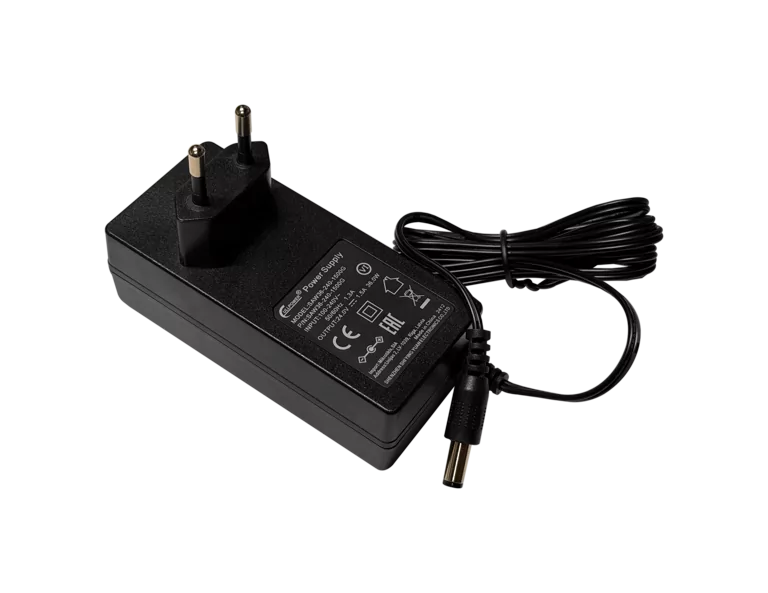
Buy MikroTik SAW36-240-1500 Power Supply in Kenya, a 24V 1.5A 36W replacement and backup adapter for RB4011, RB5009, L009, hAP ax3,
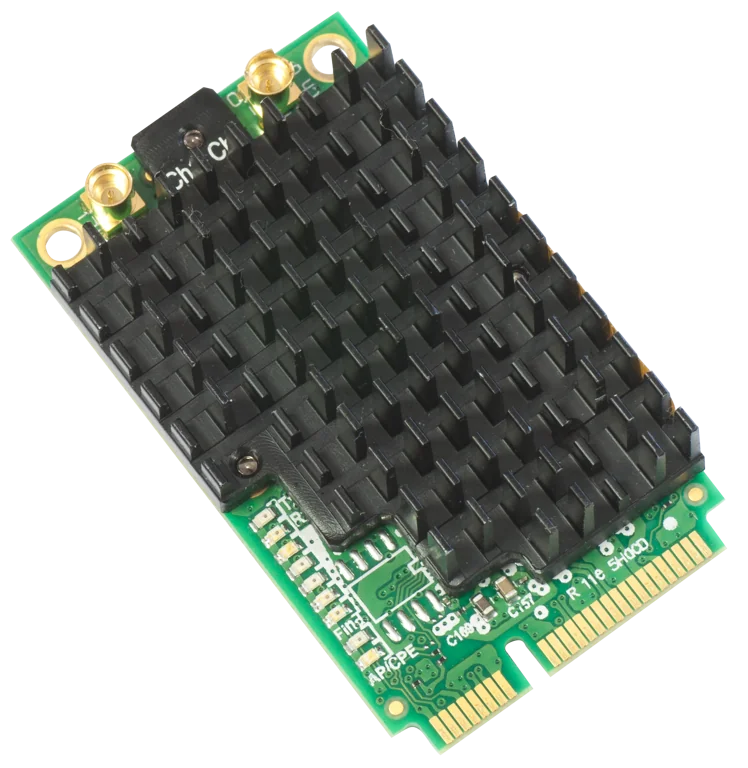
Buy MikroTik R11e-5HacD in Kenya, a 5 GHz 802.11ac/a/n dual-chain miniPCIe wireless card with up to 867 Mbps, dual MMCX connectors a
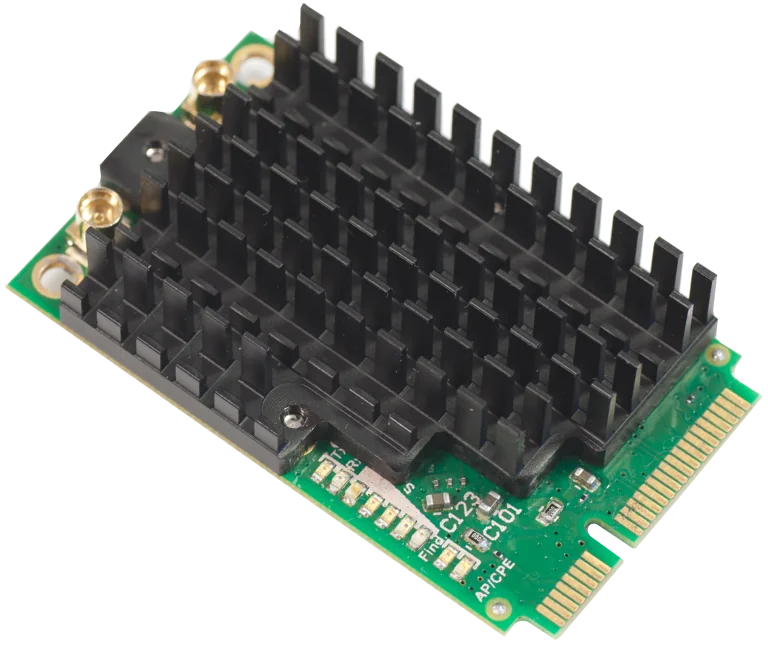
Buy MikroTik R11e-2HPnD in Kenya, a high-power 2.4 GHz 802.11b/g/n dual-chain miniPCIe wireless card with 300 Mbps data rate and dua

