Who is this product best for?
- Home and small office routing
- Business internet edge routing
- ISP customer or branch deployments

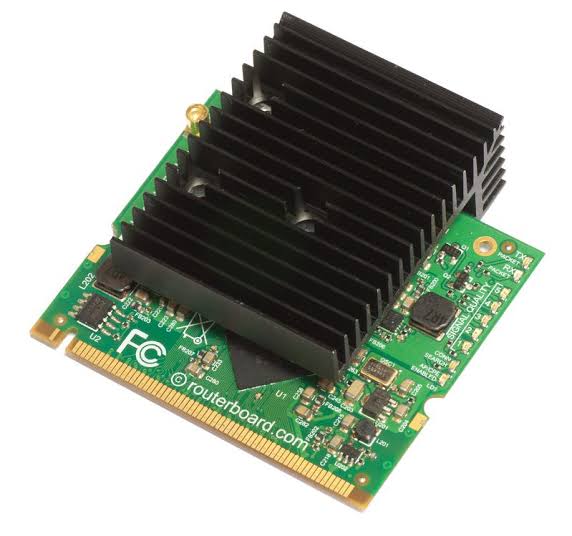
Mikrotik antennas Price In Kenya
IN STOCKWorks with compatible MikroTik RouterOS networks and standard Ethernet networking equipment. Confirm port, power and mounting requirements before purchase.
Check the product label or manufacturer datasheet for exact input voltage, PoE support and power adapter requirements.
The MikroTik R11e-5HacD is a professional 5 GHz miniPCIe wireless interface card designed for high-speed MikroTik wireless networking applications. It supports 802.11ac/a/n, dual-chain wireless operation, two MMCX antenna connectors and up to 867 Mbps maximum wireless data rate, making it suitable for wireless ISPs, point-to-point links, custom access points, enterprise wireless systems and compatible RouterBOARD installations. (MikroTik)
MikroTik designed the R11e-5HacD for compatible RouterBOARD devices with miniPCIe slots, including examples such as the RB953, RB912, RB922 and RB800, as well as suitable x86 systems running RouterOS. This makes the card useful when a network installer wants to build or upgrade a modular 5 GHz wireless system instead of relying on a fixed integrated radio. (MikroTik)
For buyers in Kenya, the R11e-5HacD is available at different prices depending on seller, stock and import costs. Current Kenyan listings found during this check vary significantly: one retailer lists it at about KES 6,477 gross, while another lists it at KES 19,600. These figures illustrate why customers should confirm the exact current selling price before ordering. (Senetic)
Customers looking for genuine MikroTik wireless hardware, compatibility assistance and professional networking support can source suitable equipment through Mikrotik Kenya.
MikroTik R11e-5HacD SpecificationsSpecificationDetailsProduct CodeR11e-5HacDProduct TypeWireless interface cardForm FactorminiPCIeWireless Band5 GHzFrequency RangeApproximately 4920–6100 MHzWireless Standards802.11a/n/acWi-Fi GenerationWi-Fi 5Maximum Wireless Data Rate867 MbpsWireless Chains2MIMO2×2Wireless ChipsetQCA9882Antenna Connectors2 × MMCXMaximum Transmit PowerUp to 27 dBm depending on modulationMaximum Power ConsumptionAround 5 WRouterOS SupportYesIndoor UseYesOutdoor IntegrationYes, with suitable enclosure/systemBest ForWISP, AP, CPE, PtP and enterprise wireless systemsMikroTik identifies the card as a 5 GHz, miniPCIe, 802.11ac/a/n dual-chain interface with two MMCX connectors, while current hardware listings specify the QCA9882 chipset, Wi-Fi 5 generation and up to 867 Mbps wireless data rate. (MikroTik)
MikroTik R11e-5HacD Price in KenyaThere is currently a wide spread in listed Kenyan prices, so one fixed national price would be misleading. Stock age, sourcing channel, warranty, VAT treatment and seller margins can all influence the final selling price. (Senetic)
Key Features of the MikroTik R11e-5HacDThe R11e-5HacD is designed specifically for the 5 GHz band and supports 802.11ac in addition to 802.11a/n. This allows it to deliver substantially greater wireless capacity than older 802.11n-only cards when paired with compatible equipment and a properly configured wireless link. (MikroTik)
Wireless CapabilityBenefit5 GHz operationMore spectrum for professional links802.11acHigher wireless capacity802.11n compatibilitySupports older 5 GHz deploymentsDual-chain2×2 MIMO operationUp to 867 Mbps PHY rateHigh-speed wireless connectivityExternal antennasFlexible system designThe quoted 867 Mbps figure is the maximum wireless link rate rather than a guaranteed real-world internet throughput figure. Actual performance depends on channel width, signal quality, interference, antenna gain, host-device performance and RouterOS configuration. (Comms Express)
2. 802.11ac Wi-Fi 5 SupportOne of the R11e-5HacD's biggest advantages over older MikroTik cards such as the R11e-5HnD is 802.11ac support.
StandardR11e-5HacD SupportIEEE 802.11aYesIEEE 802.11nYesIEEE 802.11acYesWi-Fi GenerationWi-Fi 5Maximum PHY Rate867 MbpsChains2RouterOS documentation confirms support for 802.11a, 802.11n and 802.11ac wireless operation with appropriate MikroTik interfaces. (MikroTik Help)
For WISPs and network integrators, 802.11ac can provide better capacity for high-throughput point-to-point and access-network deployments compared with older Wi-Fi 4 equipment.
3. Dual-Chain 2×2 Wireless ArchitectureThe R11e-5HacD uses two wireless chains, enabling a 2×2 MIMO configuration.
Dual-Chain FeatureBenefitTwo RF chainsImproved wireless capacity2×2 MIMOBetter use of available spectrumTwo antennasSupports dual-polarized antenna systemsHigher modulation capabilityImproved throughput802.11ac integrationBetter high-speed link performanceFor professional installations, both RF chains should be correctly connected to a compatible dual-polarized antenna system where the deployment requires 2×2 operation.
4. Two MMCX Antenna ConnectorsThe MikroTik R11e-5HacD includes two MMCX RF connectors for attaching external antennas. (MikroTik)
Antenna SpecificationDetailsConnector TypeMMCXNumber of Connectors2External Antenna SupportYesChainsDualTypical AntennasDish, panel, sector or dual-polarizedInstallation TypeDepends on host enclosureThis modular architecture gives installers the freedom to select antennas based on intended coverage, distance and deployment environment.
Possible configurations include:
Directional dish antennas
Sector antennas
Panel antennas
Dual-polarized antennas
Point-to-point bridge antennas
Custom outdoor antenna systems
The R11e-5HacD uses the Qualcomm Atheros QCA9882 wireless chipset. (Comms Express)
Chipset FeatureDetailsChipsetQCA9882Wireless Generation802.11acRadio Chains2Frequency5 GHzPrimary UseHigh-performance WLANThe chipset supports the card's dual-chain 802.11ac architecture and is designed for professional 5 GHz wireless networking.
MikroTik R11e-5HacD Wireless PerformanceTransmit power varies depending on modulation and data rate. MikroTik's published specifications indicate maximum power around 27 dBm at lower modulation rates, dropping as modulation becomes more demanding. (MikroTik community forum)
Wireless CharacteristicR11e-5HacDMaximum Tx PowerUp to 27 dBmMaximum Wireless Rate867 MbpsWireless Chains2MIMO Configuration2×25 GHzYes2.4 GHzNoThis is normal radio behavior: higher modulation rates typically require cleaner signals and may operate at lower transmission power.
MikroTik R11e-5HacD vs R11e-5HnDFeatureR11e-5HacDR11e-5HnDFrequency5 GHz5 GHzWi-Fi GenerationWi-Fi 5Wi-Fi 4Standards802.11a/n/ac802.11a/nChains22Antenna Connectors2 × MMCX2 × MMCXInterfaceminiPCIeminiPCIeMain AdvantageHigher wireless throughputBasic 5 GHz networkingTypical UseHigher-capacity PtP/APStandard PtP/APThe most important difference is the support for 802.11ac on the R11e-5HacD. MikroTik describes the R11e-5HnD as an 802.11a/n card, while the R11e-5HacD adds 802.11ac capability. (MikroTik)
MikroTik R11e-5HacD vs R11e-2HnDSpecificationR11e-5HacDR11e-2HnDFrequency5 GHz2.4 GHzWi-Fi GenerationWi-Fi 5Wi-Fi 4Maximum Data Rate867 Mbps300 MbpsChains22ConnectorsMMCXU.FLMain ApplicationHigh-capacity wireless linksGeneral 2.4 GHz wirelessCongestion PotentialGenerally lowerUsually higherBest ForPtP/WISP/enterpriseAP/CPE/general coverageThe R11e-5HacD is more suitable where higher throughput and 5 GHz networking are priorities, while the R11e-2HnD serves 2.4 GHz environments requiring broader compatibility. (MikroTik)
MikroTik R11e-5HacD vs R11e-5HacTFeatureR11e-5HacDR11e-5HacTWireless Chains23MIMO2×23×3802.11acYesYesAntenna Connectors23miniPCIeYesYesPrimary AdvantageLower complexityHigher chain countBest ForMost 5 GHz installationsHigher-capacity 3×3 deploymentsMikroTik describes the R11e-5HacT as its 3×3 triple-chain 802.11ac miniPCIe card, while the R11e-5HacD is dual-chain. (MikroTik)
Compatible MikroTik DevicesMikroTik states that the R11e-5HacD is suitable for devices with compatible miniPCIe slots, including examples such as: (MikroTik)
Compatible PlatformApplicationRB953Multi-radio wireless systemsRB912Wireless CPE/AP systemsRB922High-speed wireless deploymentsRB800Advanced RouterBOARD systemsCompatible x86 devicesRouterOS wireless appliancesCompatibility must still be verified for the exact host device.
A physical miniPCIe slot alone does not guarantee compatibility. For example, MikroTik has documented older devices whose miniPCIe slot supports cellular modems rather than Wi-Fi cards. (MikroTik community forum)
Applications of MikroTik R11e-5HacD in KenyaThe R11e-5HacD is especially suitable for creating wireless links between:
Office buildings
Schools
Warehouses
Hotels
CCTV locations
ISP towers
Remote business facilities
When paired with suitable directional antennas, the 5 GHz radio can provide high-capacity wireless bridging.
Wireless ISP InfrastructureFor WISPs, the R11e-5HacD can form part of customized RouterBOARD access points, CPE devices and wireless backbone systems.
ISP ApplicationRoleAccess PointSubscriber distributionCPECustomer connectivityPtP BackhaulTower-to-tower connectionEnterprise LinkBuilding connectivityDistribution NetworkWireless broadband deliveryEnterprise Wireless NetworkingBusinesses can use compatible R11e-5HacD systems for:
Warehouse connectivity
Campus networking
Office-to-office links
Industrial wireless networking
Surveillance backhaul
Remote building connectivity
Its 5 GHz 802.11ac capability makes it more appropriate for high-bandwidth applications than older 802.11n-only interface cards.
CCTV Wireless BackhaulIP CCTV systems can generate significant network traffic, especially where multiple HD or 4K cameras are installed. A properly engineered 5 GHz link using the R11e-5HacD can provide wireless connectivity between remote surveillance locations and the main network.
Deployment quality will depend on:
Clear line of sight
Appropriate antennas
Correct channel selection
Sufficient signal strength
Minimal interference
Proper RouterOS configuration
However, 5 GHz generally has less obstacle penetration than 2.4 GHz, so antenna positioning and line-of-sight planning are important.
RouterOS SupportMikroTik's current RouterOS wireless documentation includes support for 802.11ac wireless interfaces. (MikroTik Help)
With appropriate RouterOS configuration, compatible systems can manage:
Wireless modes
SSIDs
Channel frequencies
Channel widths
Security profiles
Access lists
Bridging
Routing
VLANs
Firewall rules
Bandwidth management
This makes the R11e-5HacD useful not simply as a radio but as part of a complete MikroTik networking environment.
What to Consider Before Buying the R11e-5HacDBuying FactorWhat to CheckHost DeviceConfirm Wi-Fi miniPCIe supportWireless Band5 GHz must match applicationAntenna ConnectorMMCXAntennasAppropriate 5 GHz antennaRouterOSSupported versionLine of SightImportant for long-distance linksChannel AvailabilityCheck local RF environmentPowerHost must support card requirementsEnclosureNeeded for protected outdoor installationsRegulationsFollow Kenyan frequency and power rulesMikroTik's quick guide specifically reminds operators to comply with local requirements relating to frequencies, channel use and output power. (MikroTik Help)
Who Should Buy the MikroTik R11e-5HacD?The R11e-5HacD is particularly suitable for:
Wireless ISPs
Network engineers
MikroTik installers
Enterprise IT teams
CCTV installers
Campus network operators
RouterBOARD integrators
Point-to-point wireless installers
Hotspot providers
Custom networking appliance builders
It is an internal professional wireless interface card, not a standalone Wi-Fi router.
Why Buy MikroTik R11e-5HacD from Mikrotik Kenya?Professional wireless networks depend on predictable radio performance, RouterOS compatibility and reliable hardware. Sourcing genuine networking equipment helps reduce the risks associated with incompatible or incorrectly specified components.
Before purchasing, customers can confirm:
RouterBOARD compatibility
miniPCIe support
MMCX pigtail requirements
Antenna compatibility
RouterOS support
Intended link distance
Technical support can assist with:
Point-to-point configuration
WISP networking
RouterOS setup
Antenna selection
Wireless channel planning
CPE configuration
Wireless troubleshooting
Network optimization
The R11e-5HacD can support projects for businesses, ISPs, hotels, schools, CCTV systems and organizations throughout Kenya.
Frequently Asked Questions About MikroTik R11e-5HacDThe R11e-5HacD is a 5 GHz 802.11ac/a/n dual-chain miniPCIe wireless interface card with two MMCX antenna connectors. (MikroTik)
Current listings checked in Kenya range from approximately KES 6,477 to KES 19,600, showing substantial variation between sellers. Customers should confirm current stock and selling price before ordering. (Senetic)
The card has a maximum 5 GHz wireless data rate of approximately 867 Mbps. (Comms Express)
No. It is a 5 GHz-only wireless interface. (Comms Express)
Yes. The R11e-5HacD supports 802.11ac, which corresponds to Wi-Fi 5. (Comms Express)
No. It is an 802.11ac Wi-Fi 5 device rather than an 802.11ax Wi-Fi 6 interface.
Yes. It has two wireless chains. (MikroTik)
It uses two MMCX connectors. (MikroTik)
The card uses a QCA9882 wireless chipset. (Comms Express)
Maximum transmit power can reach approximately 27 dBm, depending on modulation and data rate. (MikroTik community forum)
Published specifications list approximately 5 W maximum power consumption. (Comms Express)
Yes. When paired with compatible MikroTik hardware, appropriate directional antennas and professional configuration, it can be used for 5 GHz point-to-point wireless links.
Yes. Its 5 GHz 802.11ac capability, external antenna support and RouterOS integration make it suitable for specialized WISP deployments.
You can source MikroTik wireless networking equipment and obtain compatibility guidance from Mikrotik Kenya.
MikroTik R11e-5HacD Video Guide
Watch the video: MikroTik R11e-5HacD Wireless Networking Guide
The MikroTik R11e-5HacD provides network engineers with a flexible way of adding high-speed 5 GHz 802.11ac wireless connectivity to compatible RouterBOARD or RouterOS-based systems. Rather than locking the installer into an integrated antenna design, its two MMCX connectors allow an external antenna system to be selected according to the required coverage, link distance and application. This flexibility is particularly valuable for WISPs, enterprise networking and point-to-point wireless links.
The combination of Wi-Fi 5, dual-chain 2×2 operation and a maximum PHY rate of 867 Mbps gives the R11e-5HacD substantially more wireless capacity than older 802.11n-only cards. In real deployments, however, the achieved throughput will depend on factors including antenna quality, channel width, interference, signal-to-noise ratio, link distance, alignment and RouterBOARD processing capability. Correct RF engineering is therefore essential when deploying the card for demanding wireless networks.
For wireless deployments in Kenya, the R11e-5HacD can be particularly useful for connecting offices, ISP towers, CCTV sites, schools, warehouses and commercial buildings where laying fiber may be impractical or costly. When combined with genuine MikroTik hardware, properly matched antennas and professional RouterOS configuration, it provides a versatile platform for building stable and scalable 5 GHz wireless infrastructure.
The MikroTik R11e-5HacD is a powerful 5 GHz Wi-Fi 5 miniPCIe wireless interface designed for professional MikroTik networking deployments. Its support for 802.11ac/a/n, dual-chain 2×2 connectivity, up to 867 Mbps wireless data rate, two MMCX antenna connectors and RouterOS integration makes it suitable for WISPs, enterprise networks, point-to-point wireless links and custom RouterBOARD systems. (MikroTik)
Compared with older 5 GHz 802.11n interface cards, the R11e-5HacD provides higher wireless capacity through 802.11ac technology while preserving the modular flexibility that professional network installers need. Buyers should nevertheless verify miniPCIe compatibility, antenna requirements, RouterOS support, installation environment and local wireless regulations before purchase.
Whether you require the R11e-5HacD for an ISP network, enterprise wireless bridge, CCTV backhaul, point-to-point connection or custom RouterBOARD system, Mikrotik Kenya provides genuine MikroTik networking equipment, professional product-selection assistance and technical networking solutions for deployments across Kenya.
Reviews are not available yet for this product.
Mikrotik R11e-5HacD is currently listed as available. Stock can change, so confirm availability before placing a large order.
The current listed price is KSh 8,000.00. Prices are generated from the product catalogue and may change when inventory is updated.

Buy MikroTik R11e-2HnD in Kenya, a 2.4 GHz 802.11b/g/n dual-chain miniPCIe wireless card with 2 U.FL connectors, compact design and
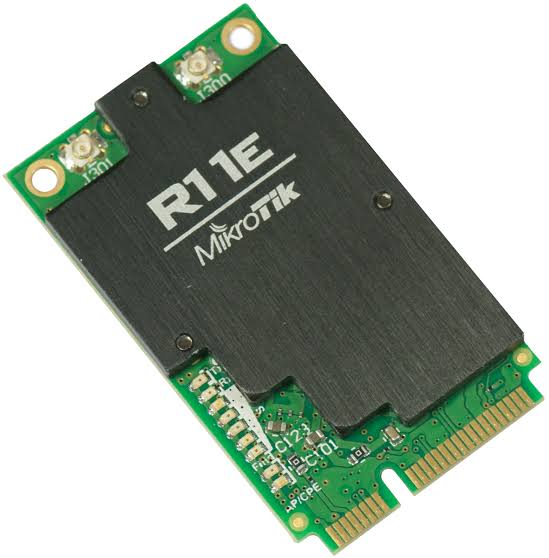
Buy MikroTik R11e-2HPnD in Kenya, a high-power 2.4 GHz 802.11b/g/n dual-chain miniPCIe wireless card with 300 Mbps data rate and dua
